TIG Welding Selection Recommendations
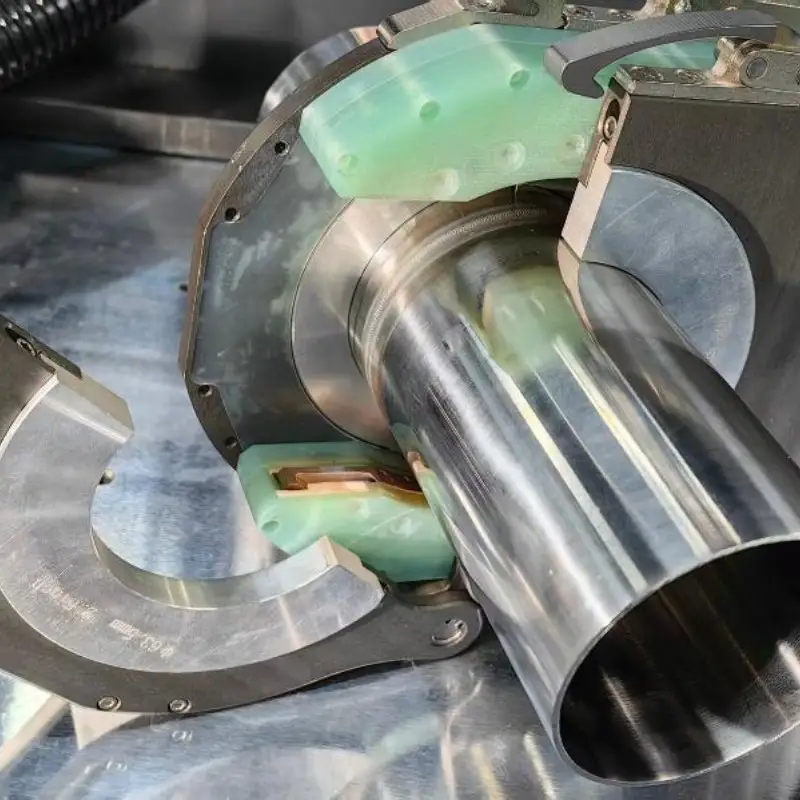
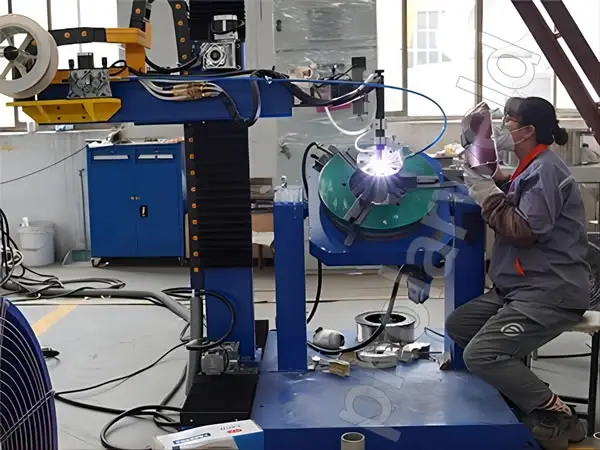
Thin Plates and Thin-Walled Pipes: For thicknesses of 0.3–3.0 mm, TIG welding can be performed without filler metal or with fine filler wire, resulting in low burn-through risk and minimal deformation.
Medium Thickness Single-Sided Welding with Double-Sided Forming: 3–6 mm,no need to beveling,used for root welds on pipes and containers.
Non-Ferrous Metals and Stainless Steel:
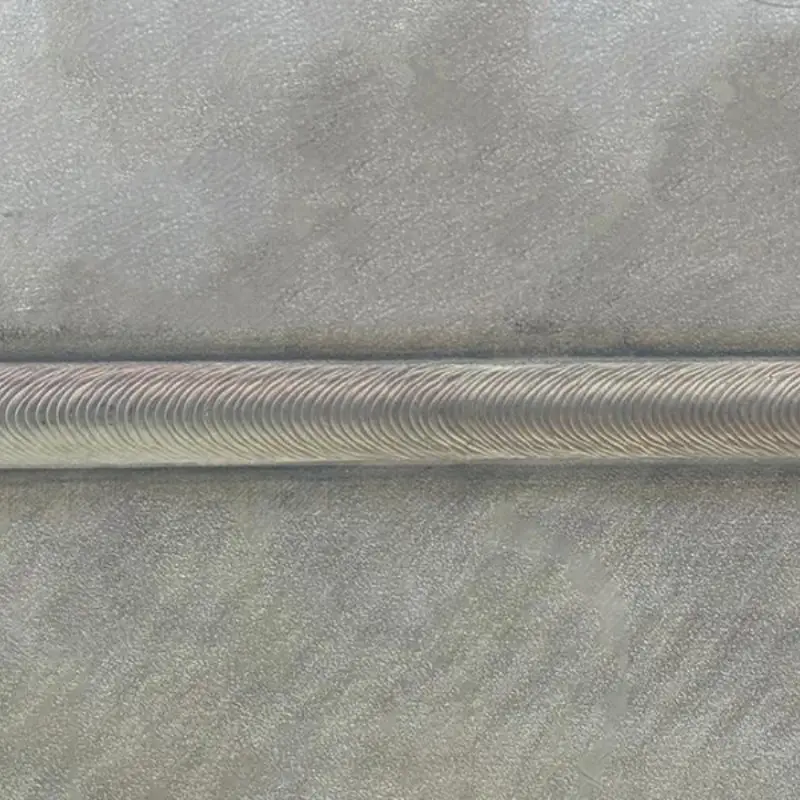
Stainless Steel (304, 316, duplex, etc.): Provides good protection against oxidation, resulting in a silver-white/golden weld with excellent corrosion resistance.
Aluminum and Aluminum Alloys: Requires AC TIG welding (to remove the oxide film), suitable for 2–6 mm thin plates.
Titanium, Zirconium, and Nickel-Based Alloys : Almost exclusively require TIG welding (or plasma welding), with extremely high protection requirements.
Copper and Copper Alloys: High thermal conductivity, requiring preheating and high-current TIG welding.
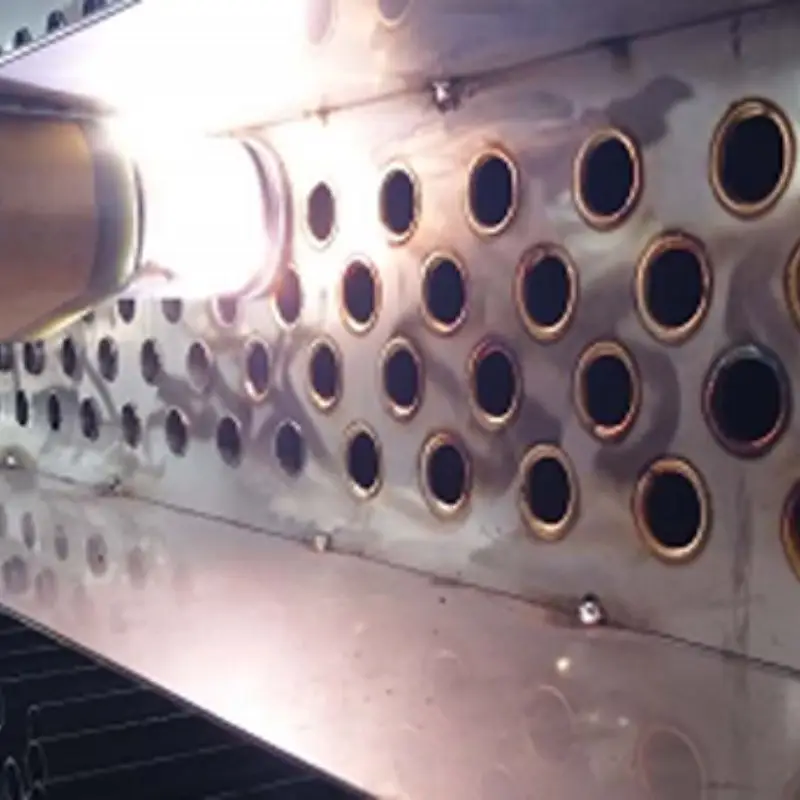
Applications requiring high weld quality and appearance: such as medical devices, food processing equipment, pharmaceutical piping, aerospace components, handicrafts, and display racks.
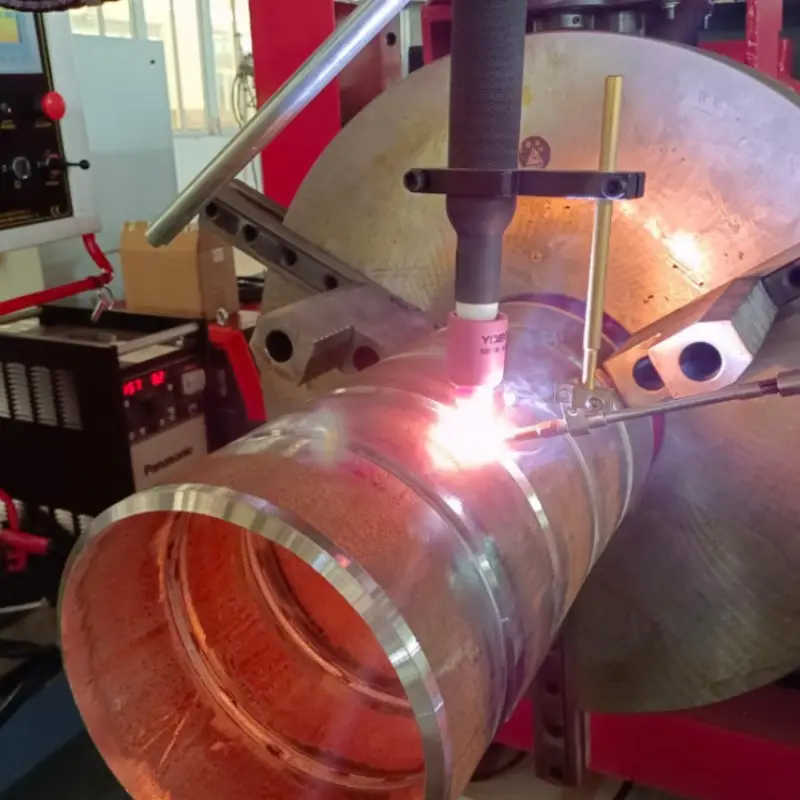
All-position welding: especially vertical welding, overhead welding, and horizontal fixed pipe welding, TIG welding offers a stable arc and controllable molten pool, superior to MIG welding and manual welding.
Dissimilar metal welding: such as stainless steel to carbon steel , copper to steel, etc., TIG welding provides precise and controllable heat input.
Small batch, repair, and root pass welding:
On-site repair, mold repair, and precision component welding.

 EN
EN
 EN
EN AR
AR BG
BG HR
HR CS
CS NL
NL FR
FR DE
DE EL
EL IT
IT JA
JA KO
KO PL
PL PT
PT RO
RO RU
RU ES
ES SV
SV IW
IW ID
ID VI
VI HU
HU TH
TH TR
TR FA
FA MS
MS