PholarWeld Automation Equipment Co., Ltd.

Submerged Arc Welding (SAW)

Home > Welding Technology > Submerged Arc Welding (SAW)

Home > Welding Technology > Submerged Arc Welding (SAW)

Submerged Arc Welding
SAW Front weld
SAW
Submerged Arc Welding
SAW Front weld
SAW

Saw Welding Technology Submerged ARC Welding Process


Submerged Arc Welding

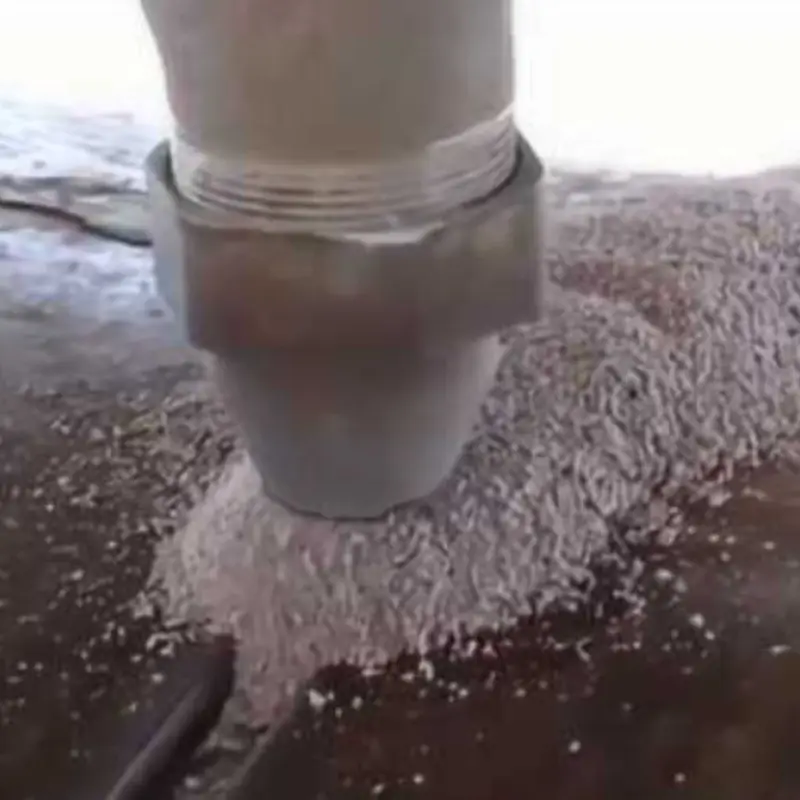
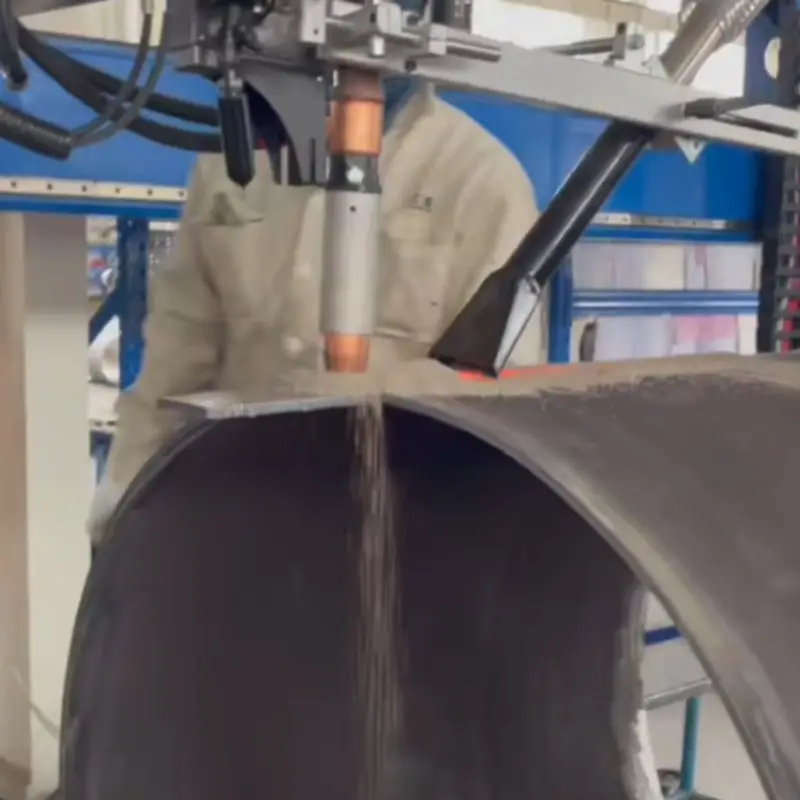
Introduction: Submerged arc welding (SAW) is an automatic or semi-automatic welding method in which the electric arc burns under a layer of granular flux. The welding wire is continuously fed, and the flux is spread from the welding torch nozzle, completely covering the arc and the molten pool; it gets its name from the fact that the arc light is buried.

Inquiry Now PDF Download

Introduction

Flexible Leasing & Sales

Breaking away from the single sales model, we offer diversified solutions combining "equipment sales + flexible leasing".

Non-standard customization

We provide professional non-standard equipment customization services to address customers' specific workpiece materials and complex process pain points.

Special Builds

If you have unique requirements, we offer special design options tailored to your specific requests.

Specification

Submerged arc welding vs Manual welding
TechnologySubmerged arc welding (SAW)Manual welding (SMAW)
Operation method;Automatic/Semi-automaticFully manual
Welding position;Flat welding and fillet welding onlyAll positions (flat, upright, horizontal, upward)
Current range;Large (300~2000A)Small (50~300A)
Single-pass penetration depthVery deep (More than20mm)Shallow (approx. 2~4mm)
Welding speedFast (0.5~2 m/min)Slow (0.1~0.3 m/min)
Wind resistanceGood (flux layer protection)General (unimpeded by light wind)
Skill requirements,Low (automatic welding after setting parameters)High (depends on technique)
Equipment cost,HighLow
Typical applicationsSuitable for long straight seams and circumferential seams in the factoryOn-site installation, repair, any position

Competitive Advantage

What are the characteristics of submerged arc welding?
- Flux protection: Thick flux isolates the weld from air, providing excellent protection, eliminating arc radiation and spatter.
- High current and deep penetration: Current can reach over 1000A, a single penetration depth can reach over 20 millimeters,resulting in high thermal efficiency.
- Automation: Wire feeding and movement are fully automated, with stable parameters.
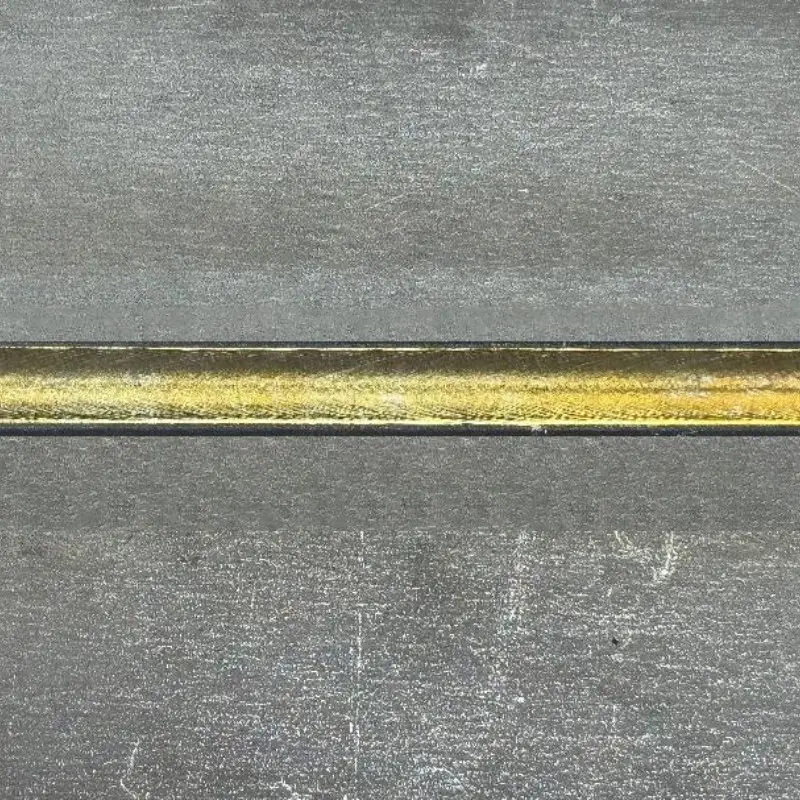
- Aesthetically pleasing weld: Slag automatically peels off after welding, resulting in a smooth weld surface with a uniform fish-scale pattern.
- Location limitations: Almost exclusively used for flat welding or fillet welding (ship-shaped welding).


What are the advantages of submerged arc welding?
1.Extremely high production efficiency: 3-5 times faster than manual welding, suitable for longitudinal and circular seams.
2. Stable weld quality: Automatic parameter control, flux protection to prevent porosity and oxidation, resulting in excellent weld mechanical properties.
3. Good working conditions: No arc light, less smoke and dust, no spatter, and operators do not need protective goggles.
4. Saves welding materials: High utilization rate of welding wire and flux, and no loss due to flux spatter.
5. Suitable for thick plates: Single-pass welding can penetrate thick plates, reducing the number of passes required.


What are the disadvantages of submerged arc welding?
1. Limited welding position: Only suitable for flat and fillet welding; not for vertical or overhead welding.
2. High assembly requirements: Strictly ensure bevel, gap, and misalignment; otherwise, defects are likely to occur.
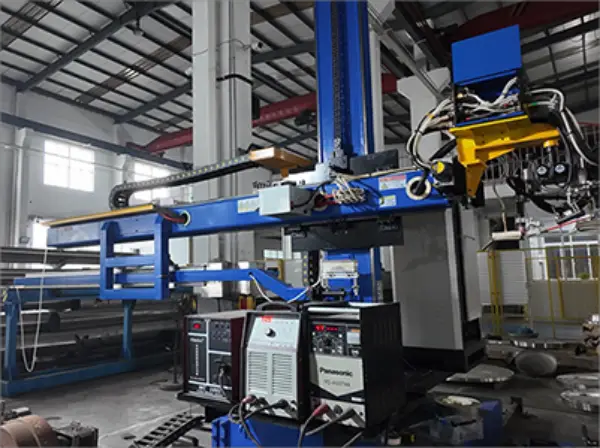
3. High equipment investment: Includes welding machine, traveling mechanism, flux recovery device, etc.
4. Poor flexibility: Not suitable for short welds, irregular welds, maintenance, and sporadic outdoor work.
5.Flux requires management: Must be dried, recovered, and cleaned; otherwise, porosity or cracks may occur.

Recommendations for SAW Welding

Thickness Range:

Optimal Thickness: 8~30mm. Single or double passes are sufficient for full penetration, offering the best economic benefits.
Lower Limit Thickness: 4~6mm (Requires strict heat input control, copper backing, or special processes; otherwise, burn-through is likely).
Upper Limit Thickness: Unlimited (Can be used for multi-layer, multi-pass welding, such as pressure vessel cylinders with thicknesses exceeding 200mm).


Materials:
Carbon steel, low-alloy steel (most common), stainless steel , nickel-based alloys, copper alloys, etc.


Joint Types:
Butt Welds: longitudinal plate butt joints,circular welds (flat welding position achieved using welding rotator or positioner ).
Fillet Welds: T-joints, lap joints (using a boat-shaped welding position, with the workpiece positioned in a V-shape, and the weld at a flat angle).


Typical Applications:
longitudinal welded seams in mass production: spiral welded pipes, longitudinal welded pipes, webs and flanges of I-beams for bridges.
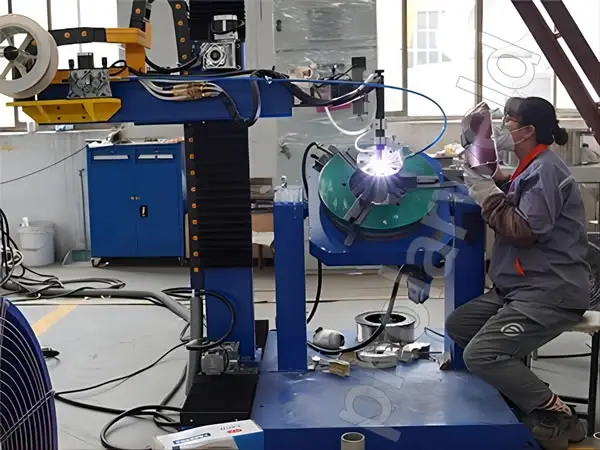
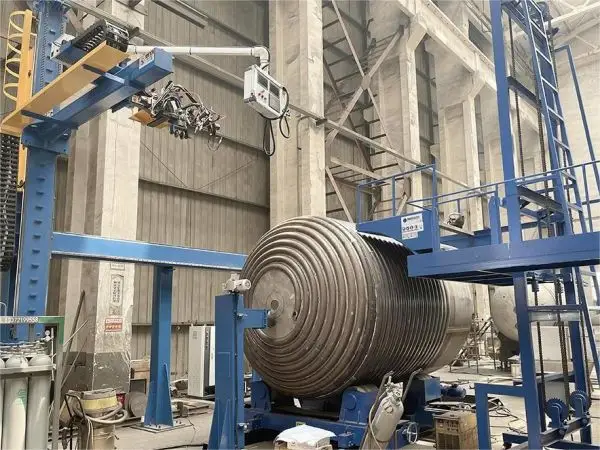
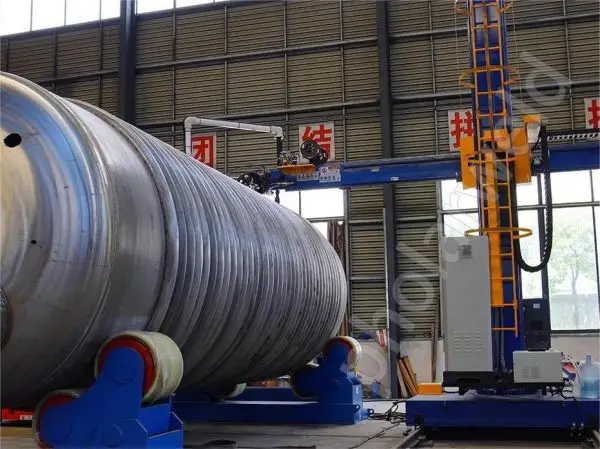
circular welds in rotating bodies: pressure vessel shells, boiler , large storage tanks (equipped with welding roller rotator ).
Thick plate structures: shipbuilding thick plate sections, heavy machinery bases, rolling mill stands.

Application

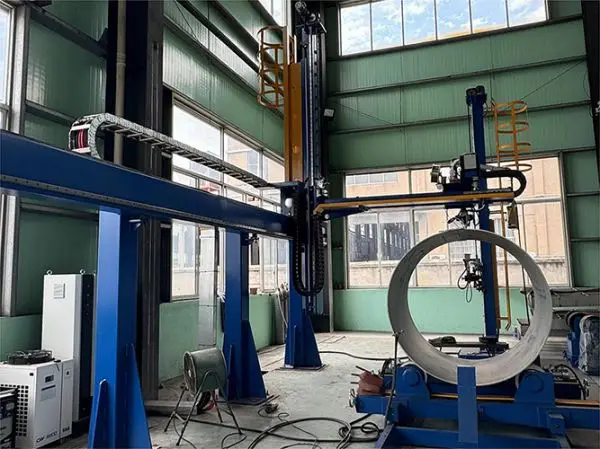
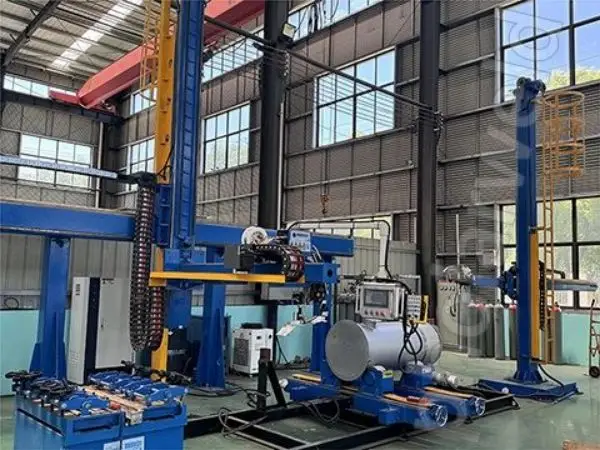
Gantry Side-beam Auto Welding Equipment
Cylinder Coil Pipe Auto Welding Equipment
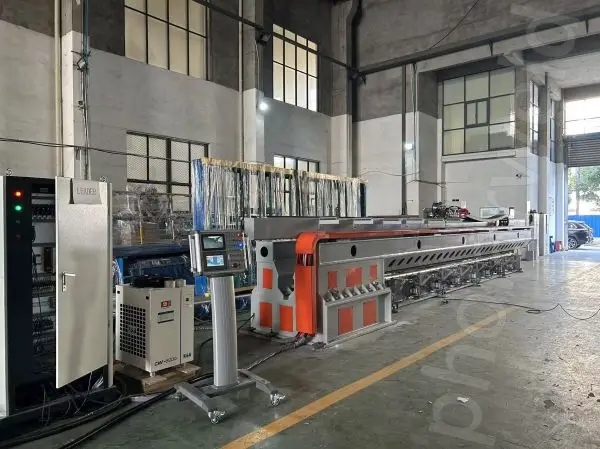
Auto Plate Butt Welding Machine Configuration
Gantry Side-beam Auto Welding Equipment

Faqs

  • What types of automated equipment does your company primarily sales?

    Our company specializes in the research, development, manufacturing, installation, and sales of various automated plasma welding equipment, deep penetration welding equipment, robotic welding stations, wear-resistant surfacing equipment, welding auxiliary equipment, robotic cutting workstations, grinding and polishing machines, automatic coiling pipe machines, and non-standard automated production lines. We also handle and act as an agent for various import and export businesses.

  • What after-sales services are provided for this equipment?

    Our company provides comprehensive after-sales services, covering equipment commissioning, parameter optimization, operator training, and long-term maintenance. In case of emergency malfunctions, we promise to provide remote guidance within 24 hours. We also conduct regular follow-up visits, spare parts supply, and technical consultation services to ensure your production runs smoothly.

  • Can I visit your company to observe equipment operation or perform trial welding?

    Yes. We welcome customers to visit our factory and observe equipment demonstrations. If needed, we can arrange trial welding using actual workpieces provided by you to verify the equipment's process effectiveness and weld quality.

  • How much more efficient is automated welding equipment compared to manual welding?

    Automated welding equipment can operate continuously for 24 hours. For the same weld specifications, the time required is reduced by 2-3 hours compared to manual welding, increasing efficiency by over 60%. For example, a job that would take 3 skilled welders 3 days to complete can be finished with high quality in 1 day by a single welding robot, while also reducing wire and gas consumption by 20%-40%. Overall, automated welding can reduce labor costs by approximately 60%.

Talk to Our Expert

Send us your quote request and we will generate a quote for you with all the information you need.

Talk To Our Expert