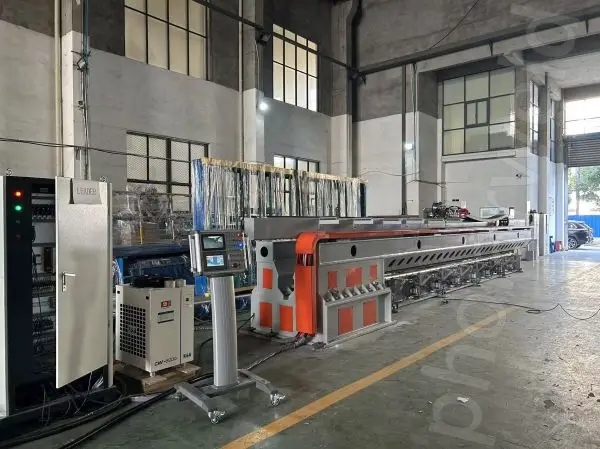
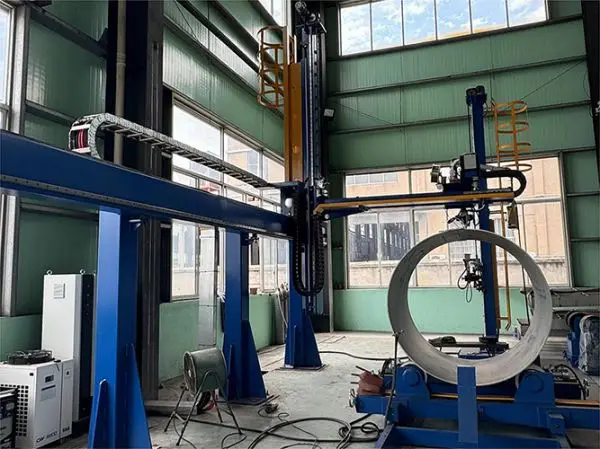
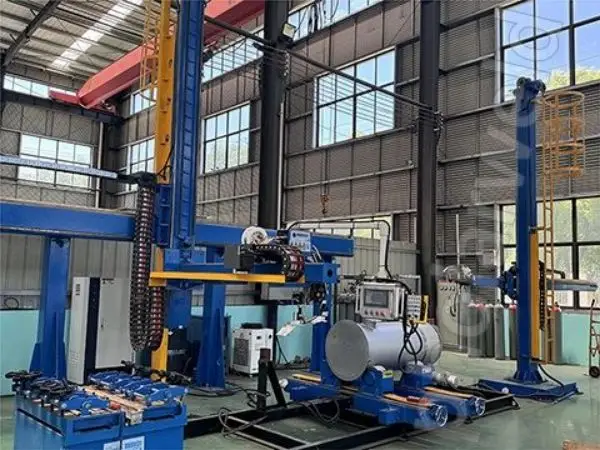
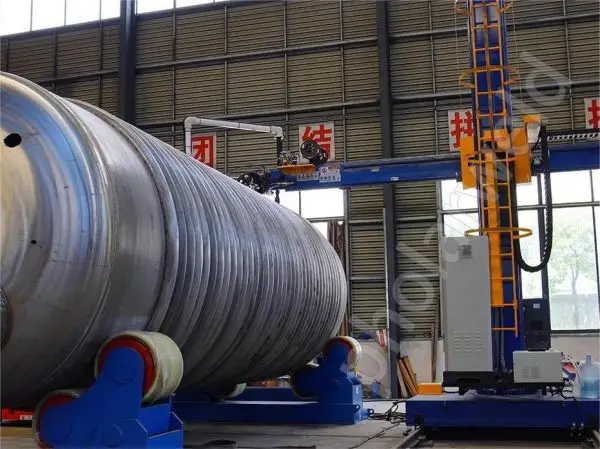
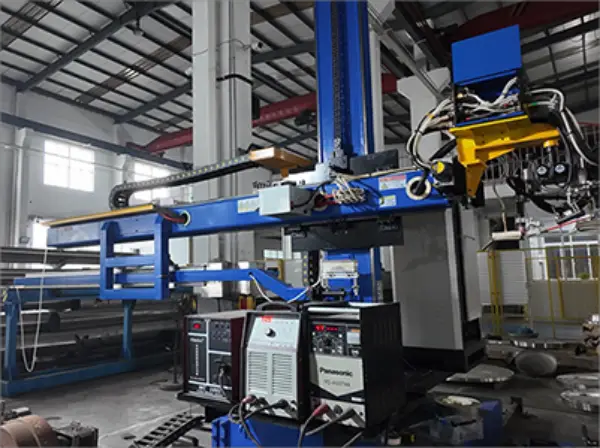
What are the characteristics of deep penetration welding?
Large penetration depth: A core advantage, enabling single-sided welding with double-sided forming without beveling.
High aspect ratio: Deep and narrow weld seam, small heat-affected zone, reducing base material deformation.
High efficiency: Single-pass welding can replace traditional multi-layer, multi-pass welding, significantly improving production efficiency.
Self-fusion property: Primarily uses self-fusion, achieving connection without adding welding wire, simplifying the process.
Precise and controllable: Highly concentrated and controllable heat input, especially suitable for precision manufacturing and automated integration.
What are the advantages of deep penetration welding?
1. One time with good molding on back penetration:High arc energy & strong arc stiffness, excellent deep penetration welding, all kinds of plates of carbon steel, stainless steel, titanium alloy and other materials can be penetrated well at one time with good molding on back penetration.
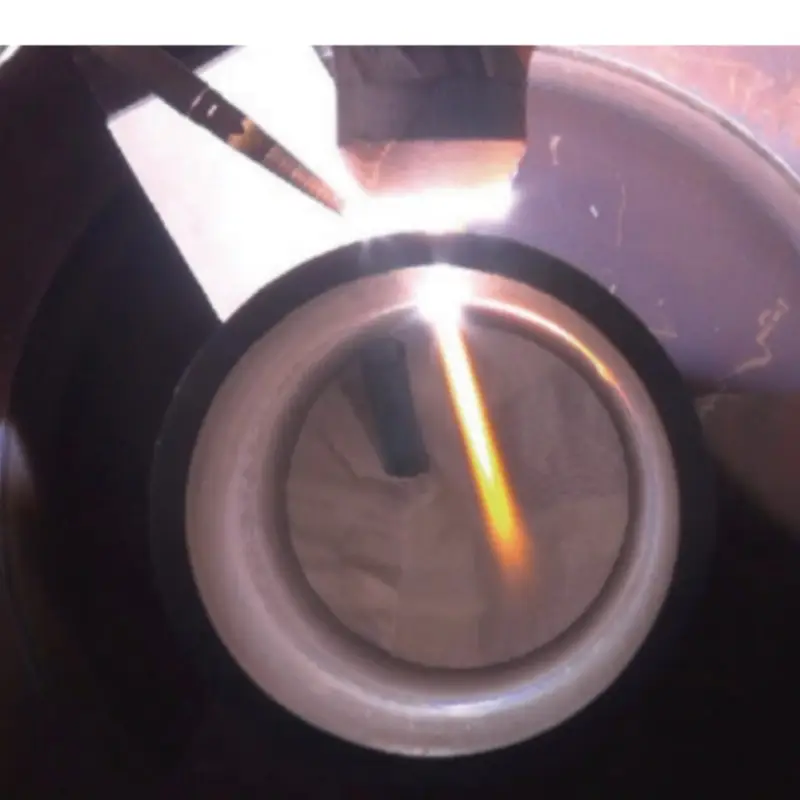
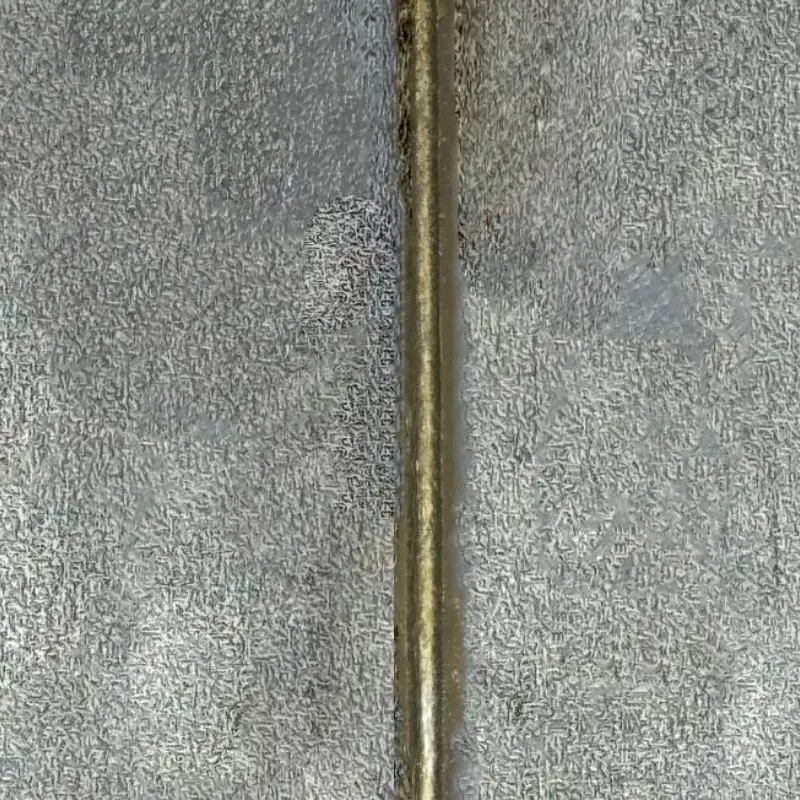
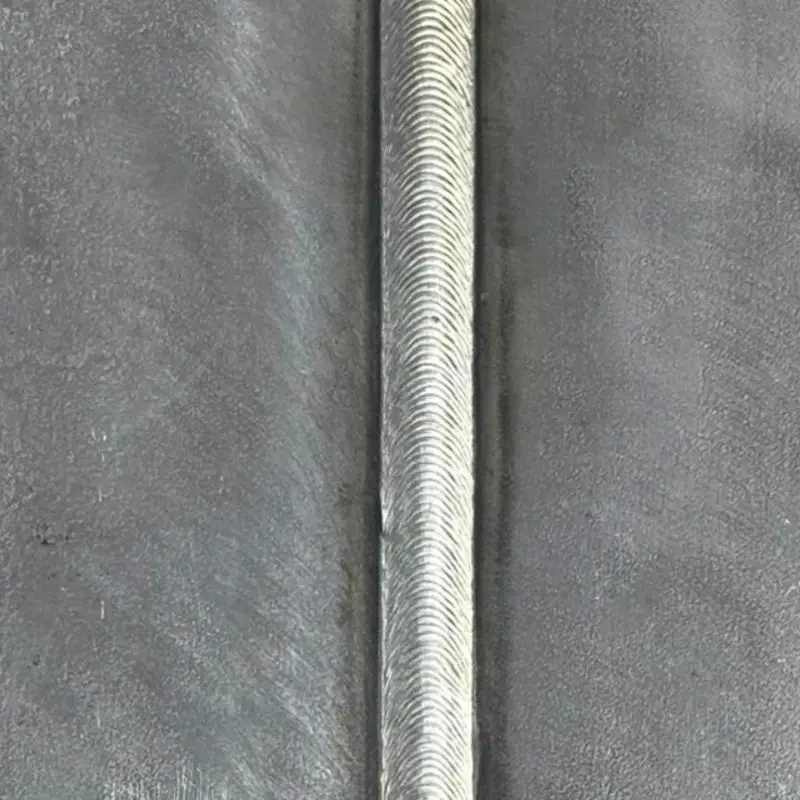
2. Single-side welding & two-sided molding:Full penetration welding mode, compressed arc, using of keyhole effect technology, single-side welding & two-sided molding can be achieved, smooth and beautiful look of welding seam, small deformation.
3. Quick welding speed:Quick welding speed is faster 3-8 times than traditional TIG welding.
4. Simpler arc-collection control:Compared with plasma welding process, DP-TIG has no plasma gas control, arc control is simpler and welding is more reliable.
5. Good controllability:Good controllability and adjustability on arc modulation.
6. High tolerance for errors: The requirements for the gap and misalignment of the bottom weld are low, and the tolerance for misalignment gaps in the workpiece assembly is high.
7. Low porosity sensitivity:Low porosity sensitivity, avoiding porosity, small holes and other welding defects.
8. Save costs:Reduce the amount of multi-layer welding grinding, as well as the use of welding wire, shield gas and other consumables, saving comprehensive costs
9. No need to open the bevel in welding:The workpiece need not edge beveling, reducing the preparation time before welding, and the welding thickness has obvious advantages. 12mm stainless steel plate & 14mm titanium plate can be welded without edge beveling.
What are the disadvantages of deep penetration welding?
Limited welding position, unsuitable for all-position welding:
k-TIG relies on a strong arc force to create a "keyhole" effect to support the molten pool, making it highly sensitive to gravity. It is well-suited for automated flat (1G) and horizontal (2G) welding positions, but not for all-position welding such as vertical or overhead welding (e. g. , 5G/6G pipe welding). In contrast, traditional manual welding offers greater flexibility in these complex positions.
Strict requirements: Strict control of welding parameters is required. Improper parameters can easily lead to defects such as spatter and incomplete penetration.
High precision requirements for assembly: Deep penetration welding requires high precision in the assembly of workpiece joints.
Sensitive to workpiece surface condition:Like traditional TIG welding, K-TIG requires extremely high standards of pre-weld cleaning. The metal surface must be thoroughly cleaned of oil, rust, and impurities. Especially when the workpiece surface has a primer, the primer's evaporation at high temperatures can severely damage the molten pool protection, easily leading to defects such as porosity and insufficient strength in the weld.
Deep penetration welding vs. manual welding
| Technology | Deep penetration welding (K-TIG) | Manual Welding(SMAW) |
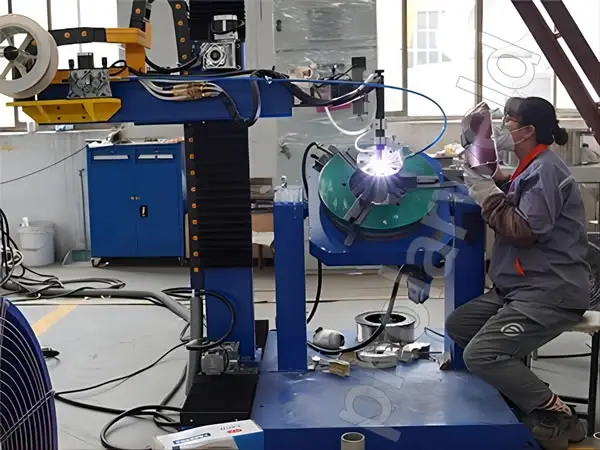
| Operating Method | Primarily automated, Simple to operate | Fully manual, highly flexible |
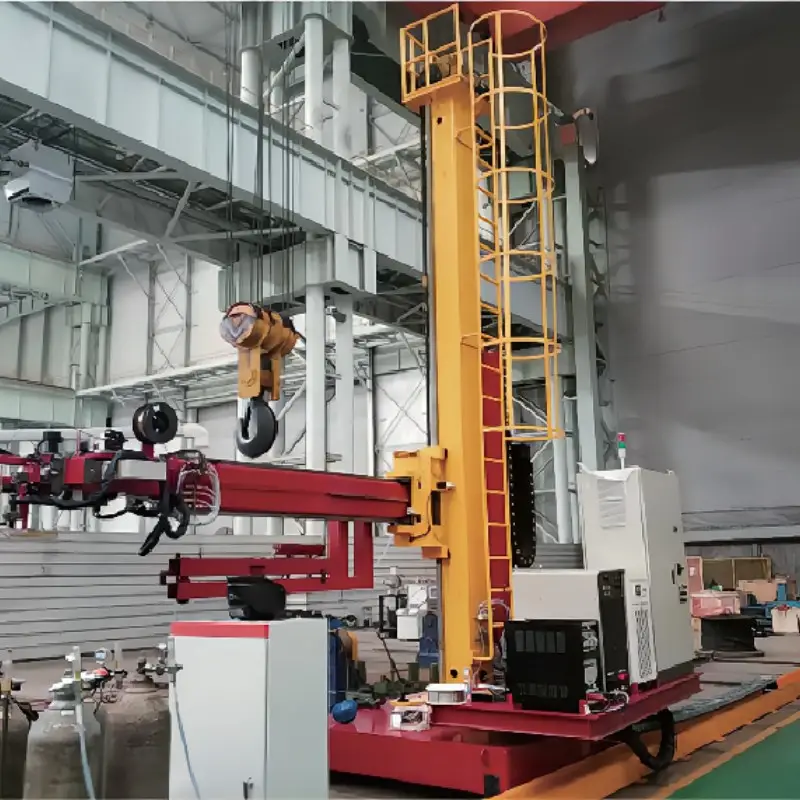
| Welding Position | Mainly for longitudinal and circular seam, suitable for automation | All-position welding |
| Single Penetration Depth | Extremely large, up to 10-16mm | Relatively shallow, only 2-4mm |
| Bevel Requirements | Welding of 12mm thick stainless steel / 14mm thick titanium: No beveling required. | Most require beveling. |
| Welding Speed | 300mm/min. | 100mm/min |
| Heat Affected Zone (HAZ) | Extremely small | Large |
| Deformation Degree | Small deformation | Large |
| Weld Quality | High, few defects | Deformation is significant,Generally, prone to porosity and slag inclusions |
| Equipment Cost | high | low |
| Consumable costs | Extremely economical (medium and heavy plates typically do not require beveling or filler wire). | High consumption (requires continuous use of welding wire or welding rod) |
| Applicable Scenarios | Suitable for high-volume, high-precision, deep penetration welding | Small batches, repairs, on-site operations |
Recommendations for K-TIG :
Applicable Plate Thickness and Materials:
Thickness Range: K-TIG excels at handling medium-thick plates from 3mm to 16mm. Within this thickness range, it enables beveling-free, single-sided welding with double-sided forming, completely revolutionizing the inefficient traditional multi-layer, multi-pass welding method.
Material Types: Ideal for welding carbon steel, stainless steel (including duplex and super duplex steel), titanium alloys, nickel-based alloys, and other materials.
Typical Industrial Applications:
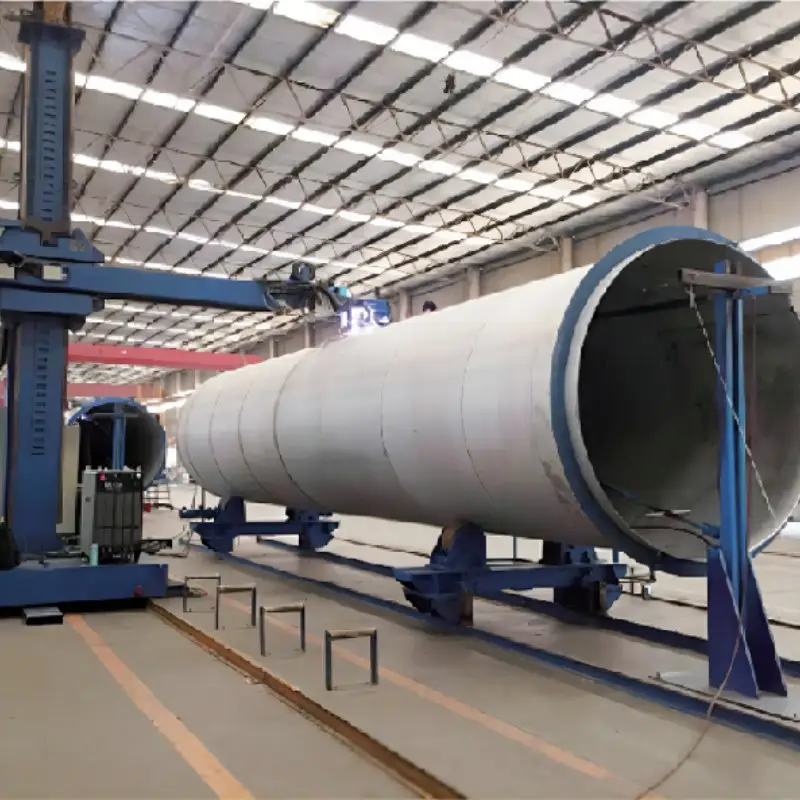
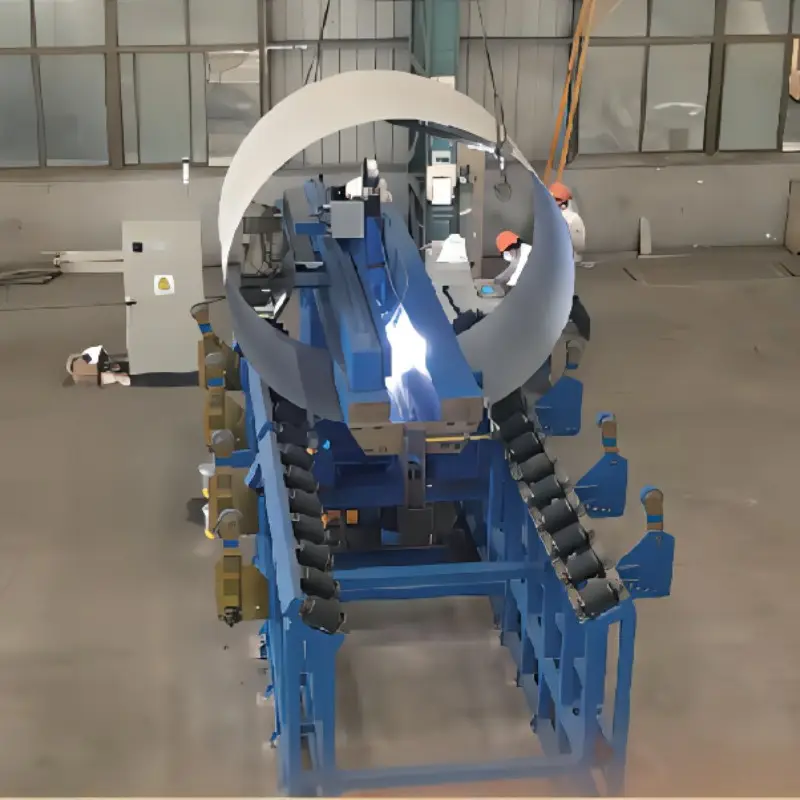
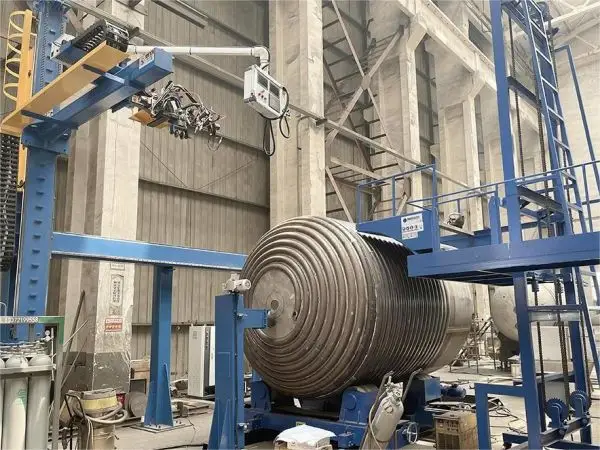
Pressure Vessel and Piping Manufacturing: Automatic welding of longitudinal and circular seams in various storage tanks, chemical pipelines, and water treatment equipment.
Chemical and Pharmaceutical Industries: Food and beverage machinery, filtration equipment, pharmaceutical tanks, etc., producing aesthetically pleasing welds with strong corrosion resistance.

 EN
EN
 EN
EN AR
AR BG
BG HR
HR CS
CS NL
NL FR
FR DE
DE EL
EL IT
IT JA
JA KO
KO PL
PL PT
PT RO
RO RU
RU ES
ES SV
SV IW
IW ID
ID VI
VI HU
HU TH
TH TR
TR FA
FA MS
MS