 EN
EN
 EN
EN AR
AR BG
BG HR
HR CS
CS NL
NL FR
FR DE
DE EL
EL IT
IT JA
JA KO
KO PL
PL PT
PT RO
RO RU
RU ES
ES SV
SV IW
IW ID
ID VI
VI HU
HU TH
TH TR
TR FA
FA MS
MS

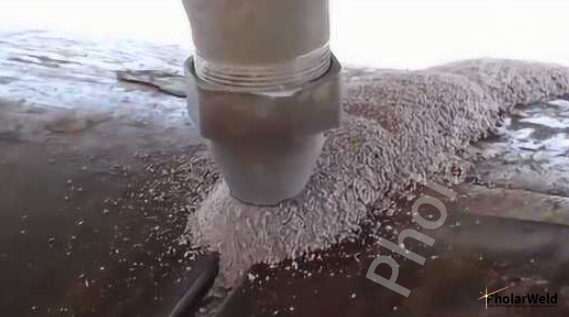
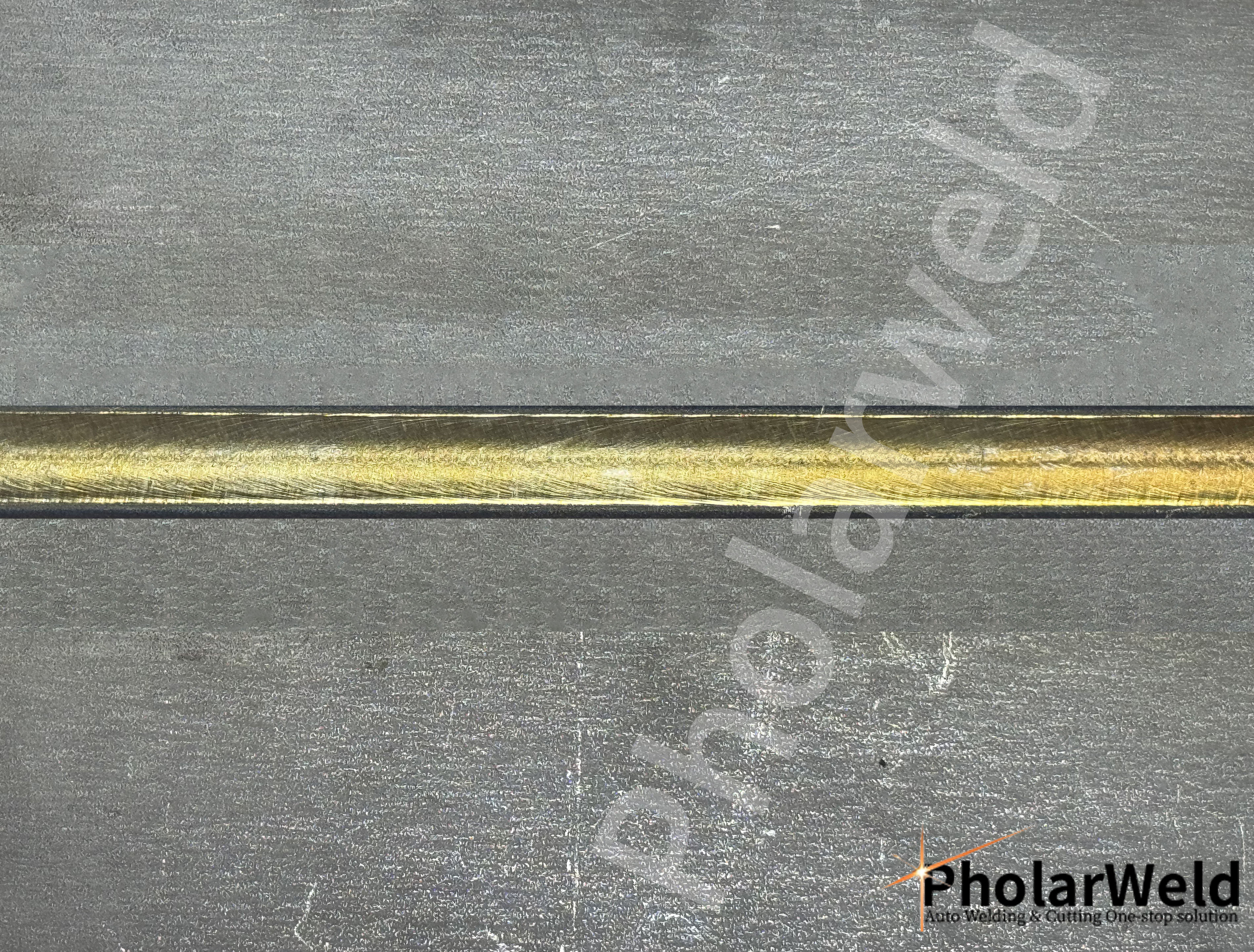
Submerged Arc Welding (SAW) is a welding process designed for making strong, clean welds, especially when working with thick metal parts. Unlike some common welding methods, SAW hides the welding arc under a layer of granular flux while the weld is being made. This helps protect the molten metal from the surrounding air and reduces sparks, smoke, and bright light. The process is often used to join large steel plates, pressure vessels, pipes, beams, and other heavy-duty parts. If you have ever seen long, smooth welds on large steel structures, there is a good chance a process like SAW was used to make them.
What Is the Working Principle of a Welding Rotator?
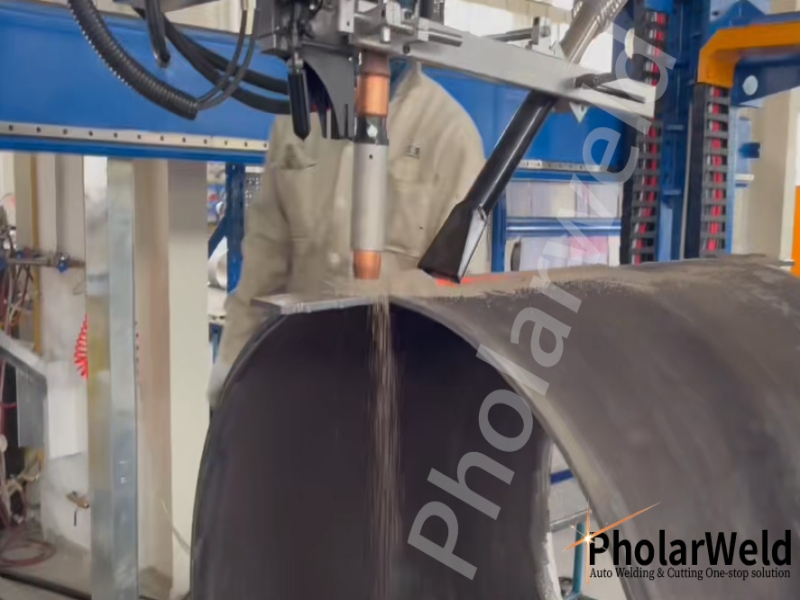
A welding rotator is a mechanical device used to turn large cylindrical workpieces during welding. Instead of asking a welder to stop repeatedly and reposition a heavy pipe or tank, the rotator slowly turns the workpiece while the welding torch stays in a convenient position. Its basic working principle is simple: powered rollers support the workpiece, an electric motor drives the rollers, and friction between the rollers and the workpiece creates steady rotation. The operator can adjust the rotation speed to match the welding job. This setup helps maintain a more even welding speed and makes long circular welds easier to control.
What Is the Working Principle of a Welding Positioner?
A welding positioner works by holding a workpiece securely and moving it into a more suitable position for welding. Instead of forcing the welder to work around an awkward joint, the positioner can rotate, tilt, or turn the part so the welding area stays easy to reach. Most welding positioners use an electric motor, gearbox, rotating table, and control system. The operator places the workpiece on the table, secures it with clamps or fixtures, and selects the required movement and speed. The motor then turns or tilts the table in a controlled way. For example, when welding a circular flange, the positioner can slowly rotate the flange while the welder maintains a steady torch position.
Differences Between Welding Rotator and Welding Positioner
A welding rotator and a welding positioner both help make welding easier, but they are designed for different types of work. The main difference is how they hold and move the workpiece. A welding rotator is mainly used for long, round workpieces such as pipes, tanks, and cylindrical vessels. The workpiece rests on rollers and rotates as the rollers turn. A welding positioner, on the other hand, holds the workpiece on a table or fixture and can rotate or tilt it into different welding positions.
For example, imagine welding a long steel pipe. A welding rotator can support the pipe at several points and slowly turn it, allowing the welder to make a continuous circular weld without manually moving the pipe. This is useful when the workpiece is too long or heavy to mount directly on a table.
A welding positioner is better suited to smaller or irregularly shaped parts. A fabricated steel frame, flange assembly, or machine component can be clamped onto its table and turned to place the joint at a comfortable angle. Some models spin all the way around and can tilt the table, giving you better access to the work.
When choosing between the two, first look at the shape, size, and weight of the workpiece. For long cylindrical products, a pipe rotator is usually the practical choice. For parts that need to be tilted, turned, or positioned at different angles, a positioner is more suitable. Choosing the right machine can reduce awkward welding positions and make it easier to maintain a steady welding speed.
Application Scenarios of Welding Positioner and Welding Rotator
Welding positioners and welding rotators are used in different situations based on the shape and size of the workpiece. A welding positioner is commonly used when a part needs to be rotated or tilted into a comfortable welding position. It works well for components such as flanges, steel frames, brackets, machine bases, and other fabricated parts. For example, when a worker needs to weld several joints on a steel frame, a positioner can turn the frame so each joint faces the welder without requiring manual repositioning. This can make the job easier and help maintain a consistent welding position.
Welding rotators are mainly used for large cylindrical workpieces. They are often found in pipe fabrication, tank manufacturing, pressure vessel production, and steel structure workshops. A typical setup uses two or more roller units to support a tank or pipe. As the rollers rotate, the workpiece turns at a controlled speed. The welder can then keep the torch in one working area while the joint moves steadily past it.
The choice also depends on the workpiece weight and dimensions. A large storage tank, for instance, may be too heavy and long for a standard positioner but can be supported safely by a properly sized pipe welding rotator . On the other hand, a compact valve body or flange assembly may be easier to handle with a positioner.
Before choosing a machine, look at the workpiece size, length, weight, balance point, and where the weld needs to be. Picking the right equipment for the task cuts down on extra moving and makes it easier for the welder to reach the joint.