
 EN
EN
 EN
EN AR
AR BG
BG HR
HR CS
CS NL
NL FR
FR DE
DE EL
EL IT
IT JA
JA KO
KO PL
PL PT
PT RO
RO RU
RU ES
ES SV
SV IW
IW ID
ID VI
VI HU
HU TH
TH TR
TR FA
FA MS
MS

Welding large pipes, pressure vessels, tanks, and other heavy metal parts is not only about making a strong weld. Keeping the workpiece in the right position also plays a big part in getting clean, even results. This is where a welding rotator machine becomes useful. It supports and slowly rotates round workpieces while welding takes place, helping welders work more comfortably and with better control. Whether used in a small fabrication shop or a large manufacturing plant, a welding rotator can improve weld quality, reduce manual handling, and make long welding jobs easier to complete with consistent results.
Working Principle of a Welding Rotator Machine
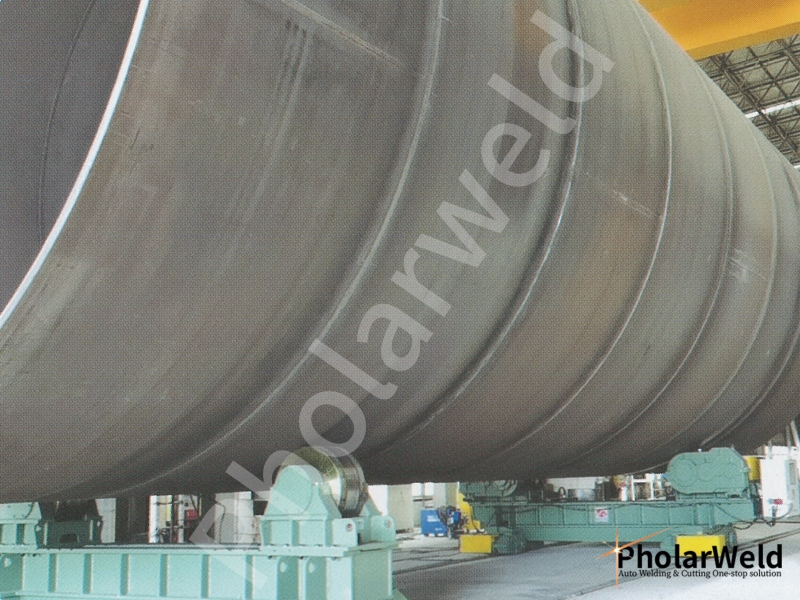
A welding rotator machine works by supporting a round workpiece on a set of rollers and turning it at a steady, controlled speed while welding is carried out. Instead of asking the welder to move around a large pipe or tank, the machine rotates the workpiece so the welding torch can stay in a comfortable position. This makes the welding process smoother, safer, and more consistent.
A standard welding rotator usually includes one powered roller unit and one idle roller unit. The powered rollers are connected to an electric motor and gearbox. When the motor starts, it drives the rollers, causing the workpiece to rotate. The idle rollers provide support and move freely as the workpiece turns. Both roller sets share the load, helping keep the workpiece stable throughout the welding process.
The operator can adjust the rotation speed based on the welding method, material, and weld size. Slower speeds are often used for thicker materials that need deeper weld penetration, while faster speeds may work well for lighter jobs. Many modern welding rotator include a variable speed controller, allowing fine adjustments during operation without stopping the machine.
The rollers are designed to create enough friction to rotate the workpiece without slipping. Some models use rubber-coated rollers for better grip, while others use steel rollers for handling very heavy loads. Before starting, the operator places the workpiece carefully on the rollers and checks that it is centered. A balanced setup helps prevent vibration and keeps the rotation smooth.
For example, imagine a workshop building a large steel storage tank. Without a welding rotator, workers would need to stop frequently, reposition the tank, and adjust their working position. With the rotator, the tank turns slowly while the welder stays in one place, producing a continuous weld around the entire circumference. This saves time, reduces worker fatigue, and helps create a more even weld from start to finish.
Regular checks of the rollers, motor, and control system also help keep the machine running smoothly. Simple maintenance and correct setup can make a big difference in both welding quality and the life of the equipment.
Basic Components of a Welding Rotator Machine
A welding rotator machine is made up of several key parts that work together to support and rotate round workpieces during welding. Each component has a specific job, and understanding how they work can help operators use the machine more safely and keep it in good condition.
The most noticeable parts are the roller assemblies. These rollers hold the pipe, tank, or pressure vessel while it rotates. Depending on the machine design, the rollers may be covered with rubber for better grip or made from steel to carry heavier loads. Their main job is to keep the workpiece stable and turning smoothly throughout the welding process.
Another important part is the powered drive unit. This section includes an electric motor, gearbox, and drive mechanism that rotate the powered rollers. The motor provides the force needed to turn heavy workpieces at a steady speed. The gearbox lowers the motor speed while increasing torque, allowing the machine to rotate large loads without sudden movement.
The idler roller unit works alongside the powered unit. Unlike the powered rollers, these rollers do not have a motor. They simply support the opposite end of the workpiece and rotate freely as it turns. This balanced support helps prevent the workpiece from shifting or wobbling during welding.
The control panel allows the operator to start and stop the machine, adjust the rotation speed, and sometimes change the rotation direction. Many modern welding rotators use variable speed controls, making it easier to match the rotation speed with different welding methods and materials.
The base frame provides a strong foundation for the entire machine. It supports the roller assemblies and keeps them properly aligned under heavy loads. Some welding rotators also have adjustable frames, allowing the distance between the rollers to change for different pipe or vessel diameters.
For example, a fabrication company that manufactures pressure vessels may work with products of different sizes every week. By adjusting the roller spacing and rotation speed, the same welding rotator can handle several projects without requiring major equipment changes. This flexibility saves setup time and improves workshop efficiency.
Keeping these components clean, properly lubricated, and regularly inspected helps the welding rotator operate smoothly. Simple maintenance can reduce unexpected downtime and extend the machine's service life while supporting consistent welding quality.
Differences Between Adjustable and Self-Adjusting Welding Rotator Machines
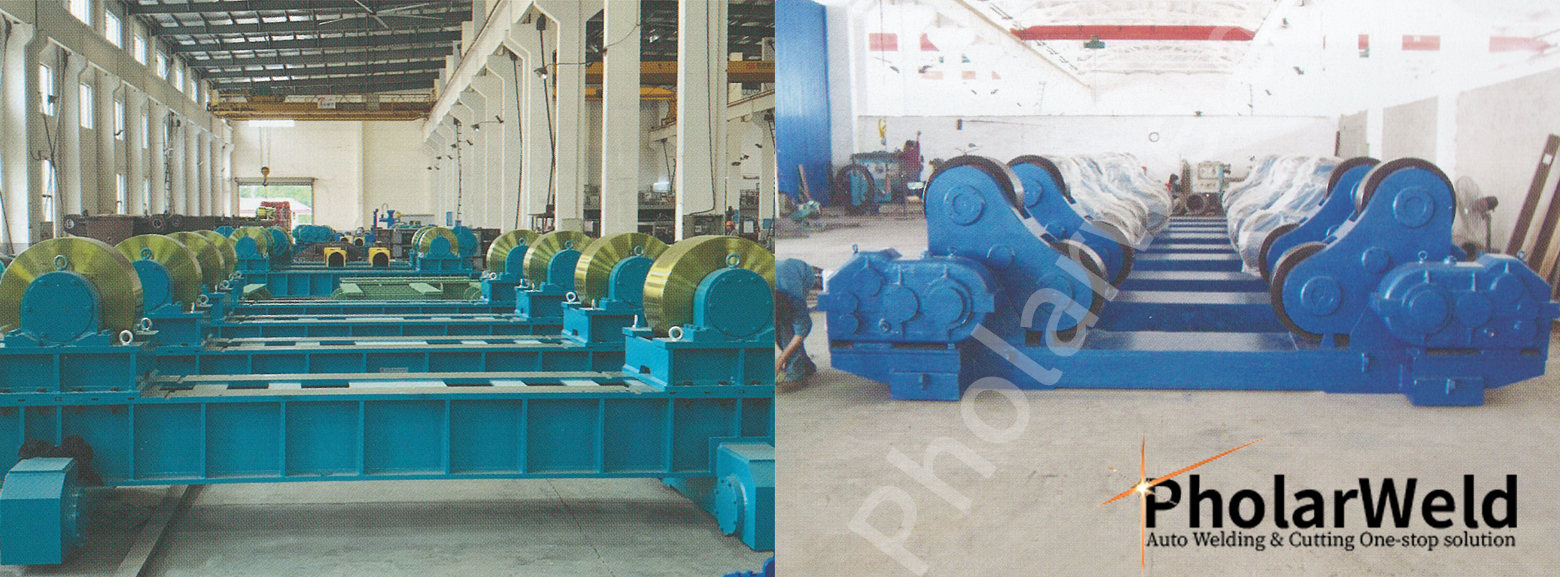
Adjustable and self-adjusting welding rotator machines perform the same basic task, but they hold and support workpieces in different ways. Choosing the right type depends on the size of the workpieces, how often their dimensions change, and the production needs of the workshop.
An adjustable welding rotator requires the operator to manually change the distance between the rollers before placing the workpiece on the machine. This adjustment is usually made by moving the roller brackets into different mounting positions. Once the rollers are set, the machine can safely support pipes or vessels within the selected size range. Although the setup takes a little more time, this design offers stable support and is often a good choice for workshops that regularly process workpieces of similar sizes.
A self-adjusting welding manipulator works differently. Its rollers automatically move into the correct position when the workpiece is placed on them. As the weight settles, the rollers adjust to fit the outside diameter without manual changes. This feature makes setup much faster, especially in workshops where pipes and tanks of different sizes are handled throughout the day.
For example, a company that builds custom storage tanks may receive orders ranging from small cylinders to large pressure vessels. With a self-adjusting rotator, workers can load each new workpiece without stopping to reposition the rollers. This helps reduce setup time and keeps production moving. On the other hand, a factory that manufactures the same pipe size every day may find an adjustable rotator more than enough for its production line.
Another difference is cost and maintenance. Adjustable welding rotators usually have a simpler structure, making them easier to maintain and often less expensive to purchase. Self-adjusting models include extra moving parts that allow automatic positioning, so they may cost more and require closer attention during routine maintenance.
Before choosing either type, think about the work your shop handles most often. If production involves many different pipe diameters, a self-adjusting welding rotator can improve efficiency. If the workpieces are mostly the same size and production is steady, an adjustable welding rotator offers reliable performance while keeping equipment costs under control.
Steel vs. Polyurethane Wheels: How to Choose Roller Material for a Welding Rotator
The roller material on a welding rotator affects how well it supports the workpiece, how much weight it can carry, and how well it protects the surface of the material being welded. Steel and polyurethane rollers are the two most common choices, and each works better in different situations. Knowing the strengths of both can help you select the right option for your workshop.
Steel rollers are designed for heavy-duty work. They have high strength and can support large pipes, pressure vessels, and thick steel tanks without deforming under heavy loads. They also resist high temperatures and are less likely to be damaged by welding sparks. This makes them a common choice for shipbuilding, heavy equipment manufacturing, and pressure vessel production. The trade-off is that steel rollers can leave marks on workpieces with finished or delicate surfaces if they are not handled carefully.
Polyurethane rollers have a softer outer layer that provides better grip while reducing the chance of scratching the workpiece. They are often used when surface appearance matters or when handling stainless steel, aluminum, or coated materials. The extra grip also helps reduce slipping during rotation. Even so, polyurethane is not the best choice for very high temperatures or extremely heavy loads because it can wear faster than steel under harsh conditions.
Load capacity is another factor to consider. If your workshop regularly welds large industrial tanks weighing several tons, steel rollers usually offer the durability needed for long-term operation. If your work mainly involves medium-sized stainless steel pipes or polished vessels, polyurethane rollers may provide better protection while still delivering smooth rotation.
For example, a food processing equipment manufacturer often works with polished stainless steel tanks that must remain free from scratches. Polyurethane rollers help protect the surface while allowing steady rotation during welding. A company building heavy oil storage tanks, on the other hand, is more likely to choose steel rollers because they can handle larger loads and rougher working conditions.
Before making a decision, think about the weight of your workpieces, the condition of their surfaces, and the environment where the machine will operate. Matching the roller material to your daily production needs can improve welding quality, reduce maintenance, and extend the service life of both the rollers and the welding rotator.
Applications of Welding Rotator Machines
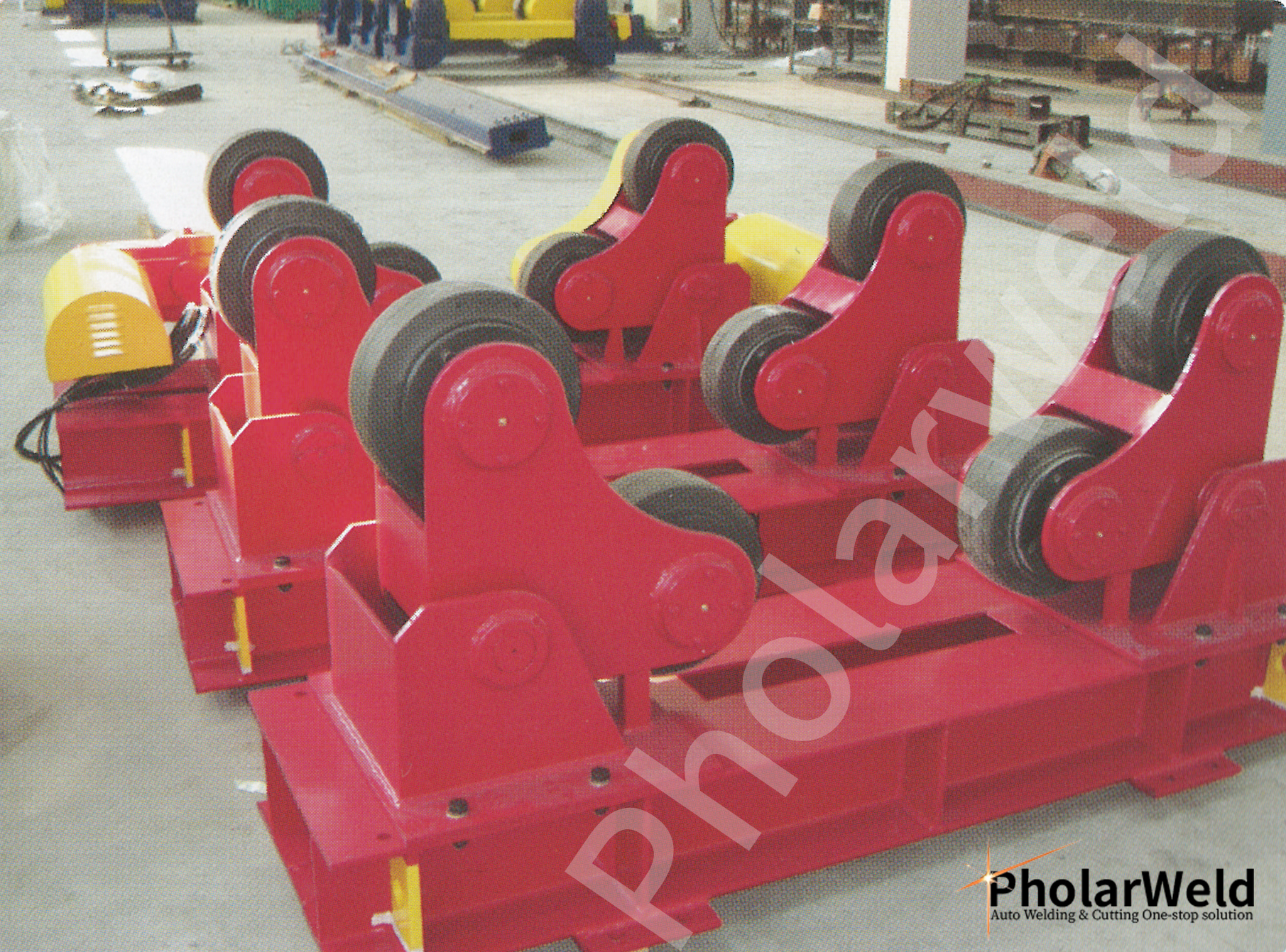
Welding rotator machines are widely used in industries that manufacture large round metal parts. They make it easier to rotate heavy workpieces during welding, helping operators produce more consistent welds while reducing manual handling. From small fabrication shops to large industrial plants, pipe welding rotator improve both productivity and workplace safety.
One of the most common applications is the manufacture of pressure vessels. These products require long circular welds that must meet strict quality standards. A welding rotator keeps the vessel turning at a steady speed, allowing the welder or automatic welding system to produce smooth, even welds around the entire circumference.
Pipe fabrication is another major application. Oil and gas pipelines, water transmission systems, and industrial process piping all involve welding pipes of different diameters. A welding rotator supports the pipe securely and rotates it during welding, making it easier to complete full-circle welds without stopping to reposition the workpiece.
The machine is also widely used in the production of storage tanks and silos. These large cylindrical structures can be difficult to move by hand because of their size and weight. A welding rotator allows workers to rotate the tank safely while welding shell sections, end caps, and reinforcement rings. This helps shorten production time while improving weld consistency.
Another common use is in making wind towers and energy equipment. Wind turbine towers are built from big steel parts that need long, precise welds. Welding rotators hold these heavy sections steady during production, helping ensure consistent weld quality along the entire length.
Many shipbuilding and heavy equipment manufacturers also rely on welding rotators. Components such as drums, large cylinders, and structural sections often need controlled rotation during welding. The machine reduces the need for cranes or repeated repositioning, allowing workers to focus on producing high-quality welds.
For example, a company building large fuel storage tanks may weld several cylindrical sections together before transporting the finished tank to the installation site. Using a welding rotator allows each section to rotate smoothly, helping welders complete continuous welds with fewer interruptions. The result is a faster production process, less physical strain on workers, and more consistent weld quality.
Whether used for small pipe assemblies or massive industrial vessels, welding rotator machines provide reliable support across many industries. Choosing the right machine for the size and weight of the workpieces helps improve efficiency while making welding operations safer and easier to manage.