
 EN
EN
 EN
EN AR
AR BG
BG HR
HR CS
CS NL
NL FR
FR DE
DE EL
EL IT
IT JA
JA KO
KO PL
PL PT
PT RO
RO RU
RU ES
ES SV
SV IW
IW ID
ID VI
VI HU
HU TH
TH TR
TR FA
FA MS
MS

Plasma welding is a welding process that uses a high-energy plasma arc to join metal parts with great accuracy and control. It is often chosen for jobs where clean, strong welds are needed, especially on thin materials or parts with strict quality standards. You can find plasma welding in industries such as aerospace, automotive, medical equipment, and precision manufacturing. While it may look similar to TIG welding at first, plasma welding creates a more focused arc that can produce deeper penetration and a stable welding process. Learning how plasma welding works can help you decide if it is the right choice for your workshop, project, or production line.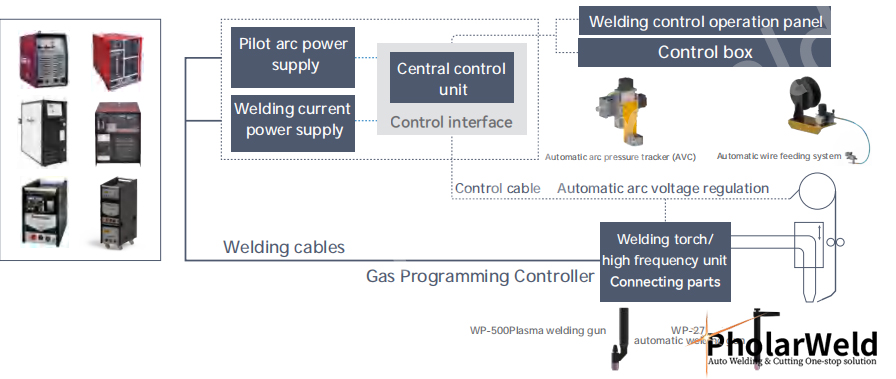
Basic principles of plasma welding
Plasma welding works by creating a very hot and concentrated arc that melts the edges of the metal pieces so they can join together. The process starts when an electric arc forms between a non-consumable tungsten electrode and the workpiece. Unlike standard TIG welding, the arc passes through a small copper nozzle. This nozzle squeezes the arc into a narrow, high-speed stream of plasma, making it much hotter and more focused.
Plasma is often called the fourth state of matter. It forms when gas becomes so hot that its atoms split into charged particles called ions and electrons. During plasma welding, gases such as argon are heated by the electric arc until they become plasma. This plasma carries a large amount of heat directly to the weld area, allowing the metal to melt quickly while keeping the surrounding material less affected by heat.
Most plasma welding systems use two separate gas flows. The first is the plasma gas, which passes through the nozzle and creates the plasma arc. The second is the shielding gas, which surrounds the weld pool and protects it from oxygen, moisture, and other contaminants in the air. This protection helps produce cleaner welds with fewer defects.
The small and focused arc gives the welder better control over the weld. This is especially helpful when working with thin stainless steel, titanium, nickel alloys, or other materials that require precision. A stable arc also makes it easier to maintain consistent weld quality during long production runs.
Plasma welding can operate in different modes depending on the material thickness. Low-current welding is often used for delicate parts, while higher-current settings can create a keyhole effect that allows full penetration in thicker metal without making multiple passes. For example, a manufacturer producing stainless steel medical instruments may choose low-current plasma welding to avoid damaging small components, while a factory making pressure vessels may use higher-current settings to achieve deep, strong welds in a single pass.
Understanding these basic principles makes it easier to see why plasma welding is valued in industries where accuracy, repeatable quality, and strong welds are important.
Main components of plasma welding equipment
A plasma welding system is made up of several parts that work together to create a stable, high-quality weld. Each component has a specific job, and understanding how they work makes it easier to operate the equipment and solve common problems.
The heart of the system is the plasma welding torch. Inside the torch is a non-consumable tungsten electrode that creates the electric arc. The torch also contains a small copper nozzle that narrows the arc into a concentrated plasma stream. This focused arc produces high heat in a small area, giving better control and cleaner welds than many other welding methods.
The power supply provides the electrical energy needed to create and maintain the plasma arc. A reliable power source keeps the arc stable even when welding for long periods. Stable current helps reduce defects and gives more consistent weld quality, especially in production environments where the same parts are welded repeatedly.
Another important part is the gas supply system. Plasma welding usually requires plasma gas and shielding gas. Argon is the most common choice, although gas mixtures may be used for certain metals or applications. The gas flow must stay steady because changes in pressure or flow can affect the shape of the arc and the quality of the finished weld.
The cooling system protects the welding torch from overheating. Many plasma welding torches use water cooling because the concentrated arc produces a large amount of heat. Keeping the torch at the proper temperature extends the life of the electrode, nozzle, and other parts while reducing unexpected downtime.
The system also includes a control unit, which allows the operator to adjust settings such as welding current, gas flow, arc starting, and welding time. On automated production lines, the control unit can store welding programs so the same settings can be used for every part. This improves consistency and reduces setup time.
Regular inspection of these components helps keep the equipment working properly. For example, replacing a worn nozzle or cleaning the torch before it becomes damaged can prevent unstable arcs and poor weld quality. A well-maintained plasma welding system not only produces better results but also reduces repair costs and keeps production running smoothly.
Differences between plasma welding and TIG welding
Plasma welding and TIG welding are both popular methods for joining metal, and they even use a non-consumable tungsten electrode. Because of this, they look similar at first. The biggest difference is how the arc is created and controlled, which affects welding performance, speed, and the types of jobs each process handles best.
In TIG welding, the electric arc forms directly between the tungsten electrode and the workpiece. In plasma welding, the arc passes through a small copper nozzle before reaching the metal. This nozzle compresses the arc into a narrow, high-energy plasma stream. The result is a hotter, more focused arc that provides deeper penetration and better control.
Plasma welding usually produces a more stable arc, especially at low current settings. This makes it a good choice for welding very thin materials or small precision parts. TIG welding also delivers excellent quality, but it often depends more on the operator's skill to maintain a consistent arc and weld bead.
Another difference is welding speed. Plasma welding can often complete welds faster because the concentrated heat melts the metal more efficiently. This can improve productivity in factories that produce large numbers of identical parts. TIG welding is commonly chosen for repair work, custom fabrication, and smaller production runs where flexibility is more important than speed.
Equipment cost is another factor. Plasma welding systems are generally more expensive because they include extra components such as the plasma nozzle, cooling system, and more advanced controls. TIG welding equipment is usually simpler and more affordable, making it a practical option for small workshops, maintenance teams, and hobbyists.
A good example is a company that manufactures stainless steel medical instruments. Since these parts require precise, clean welds with very little heat distortion, plasma welding may be the better option. On the other hand, a local metal fabrication shop repairing gates, railings, or motorcycle frames may choose TIG welding because the equipment costs less and works well on many different projects.
Choosing between plasma welding and TIG welding depends on the material, part thickness, production volume, and budget. If your work calls for high precision and repeatable results, plasma welding offers clear advantages. If you need a versatile process for a wide range of everyday welding jobs, TIG welding remains a reliable and cost-effective choice.
Applicable materials and thickness range for plasma welding
Plasma welding works well with many metals, making it a flexible choice for both precision work and industrial production. The process is known for producing clean, strong welds with good control, which is why it is widely used in industries that require high-quality results.
One of the most common materials for plasma welding is stainless steel. It is used to make food processing equipment, medical devices, chemical tanks, and kitchen products. The focused plasma arc helps create smooth welds while reducing heat distortion, which is especially useful for thin stainless steel sheets.
Carbon steel and low-alloy steel can also be welded with plasma technology. These materials are commonly found in machinery, structural parts, and industrial equipment. Plasma welding provides deep penetration and consistent weld quality, making it suitable for both small components and larger fabricated parts.
The process is also a good choice for titanium and nickel alloys. These metals are often used in aerospace, power generation, and medical applications because of their strength and corrosion resistance. Plasma welding creates a stable arc that helps protect these valuable materials from excessive heat and contamination when proper shielding gas is used.
Other materials, such as copper and some special alloys, can also be welded with plasma equipment, although they may require specific welding settings and gas combinations to achieve the best results.
Thickness is yet another factor that plays a critical role in choosing the plasma welding technology. It is one of the best technologies for welding thin sheets of metals, which may start at less than 1 mm in thickness. In cases where the current is low, there will be no need to burn through the metal because the arc is focused and accurate enough.In cases where thick pieces of metals are being welded, plasma welding also gives satisfactory results. In welding thick pieces, high current levels help create the keyhole welding phenomenon, whereby the arc penetrates all the way through the piece being welded.
For example, a manufacturer producing thin stainless steel kitchen sinks may use low-current plasma welding to achieve smooth, attractive seams. A company building pressure vessels or industrial piping may choose higher-current plasma welding to create deep, reliable welds on thicker steel plates.
Before starting any project, always match the welding current, travel speed, and gas settings to the material type and thickness. Taking time to adjust these settings helps improve weld quality, reduces defects, and extends the life of the welding equipment.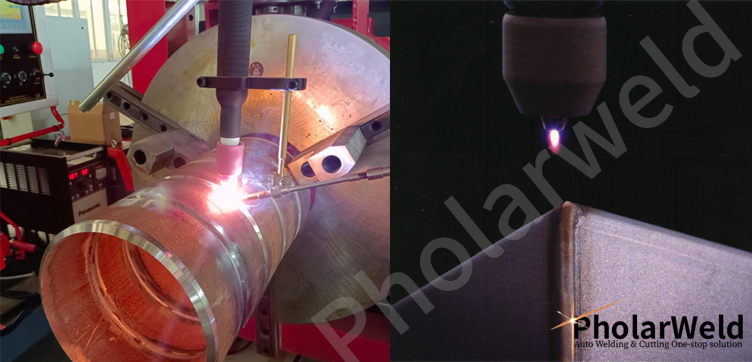
Characteristics and advantages of plasma welding
Plasma welding stands out because it combines high precision with strong welding performance. The process produces a concentrated arc that delivers heat exactly where it is needed. This allows welders to create clean joints while reducing unnecessary heating of the surrounding metal. As a result, finished parts often require less grinding, straightening, or rework.
One of the biggest advantages of plasma welding is its stable arc. The arc remains consistent even at very low current settings, making it easier to weld thin materials without burning through them. This is one reason why manufacturers of medical devices, laboratory equipment, and stainless steel products often choose plasma welding for precision work.
Another key feature is deep weld penetration. The focused plasma arc can melt deeper into the metal than many traditional welding methods. For thicker materials, the keyhole welding mode allows full penetration in a single pass, which can reduce production time and improve efficiency.
Plasma welding also produces a small heat-affected zone. Since the heat is concentrated in a narrow area, nearby metal experiences less thermal stress. This lowers the risk of distortion, warping, or changes in the material's properties. Parts that need tight dimensions or smooth finishes benefit from this level of control.
The process delivers consistent weld quality, especially in automated production. Once the welding parameters are set correctly, the equipment can produce nearly identical welds on every part. This consistency helps reduce scrap, lowers repair work, and makes quality control easier.
Another advantage is its wide range of applications. Plasma welding can handle thin sheets, medium-thickness plates, and many different metals, including stainless steel, carbon steel, titanium, and nickel alloys. This flexibility allows manufacturers to use the same welding process for different products without changing to completely different equipment.
For example, an automotive parts manufacturer may use plasma welding to produce thousands of stainless steel exhaust components with the same weld quality every day. At the same time, a company making precision sensors can rely on the stable low-current arc to join small metal parts without damaging delicate components.
While pipe welding machine equipment usually costs more than standard TIG welding equipment, the higher productivity, reduced rework, and consistent results can make it a worthwhile choice for businesses that perform precision or high-volume welding. Selecting the right settings, maintaining the torch, and using the correct shielding gas will help achieve the best performance and extend the life of the equipment.