
 EN
EN
 EN
EN AR
AR BG
BG HR
HR CS
CS NL
NL FR
FR DE
DE EL
EL IT
IT JA
JA KO
KO PL
PL PT
PT RO
RO RU
RU ES
ES SV
SV IW
IW ID
ID VI
VI HU
HU TH
TH TR
TR FA
FA MS
MS

When setting up a robotic welding station, choosing the right positioner is a big deal. A positioner is a tool that holds and moves the materials being welded. Picking the right one can make plasma welding easier and better. At PholarWeld, we know how important it is to get this choice right. A good positioner can help with the quality of the welds and make the whole process smoother. You want a positioner that fits your needs and helps your robotic welder do its job well. Let's look at some important points to think about when you are choosing a positioner, and where you can find good ones.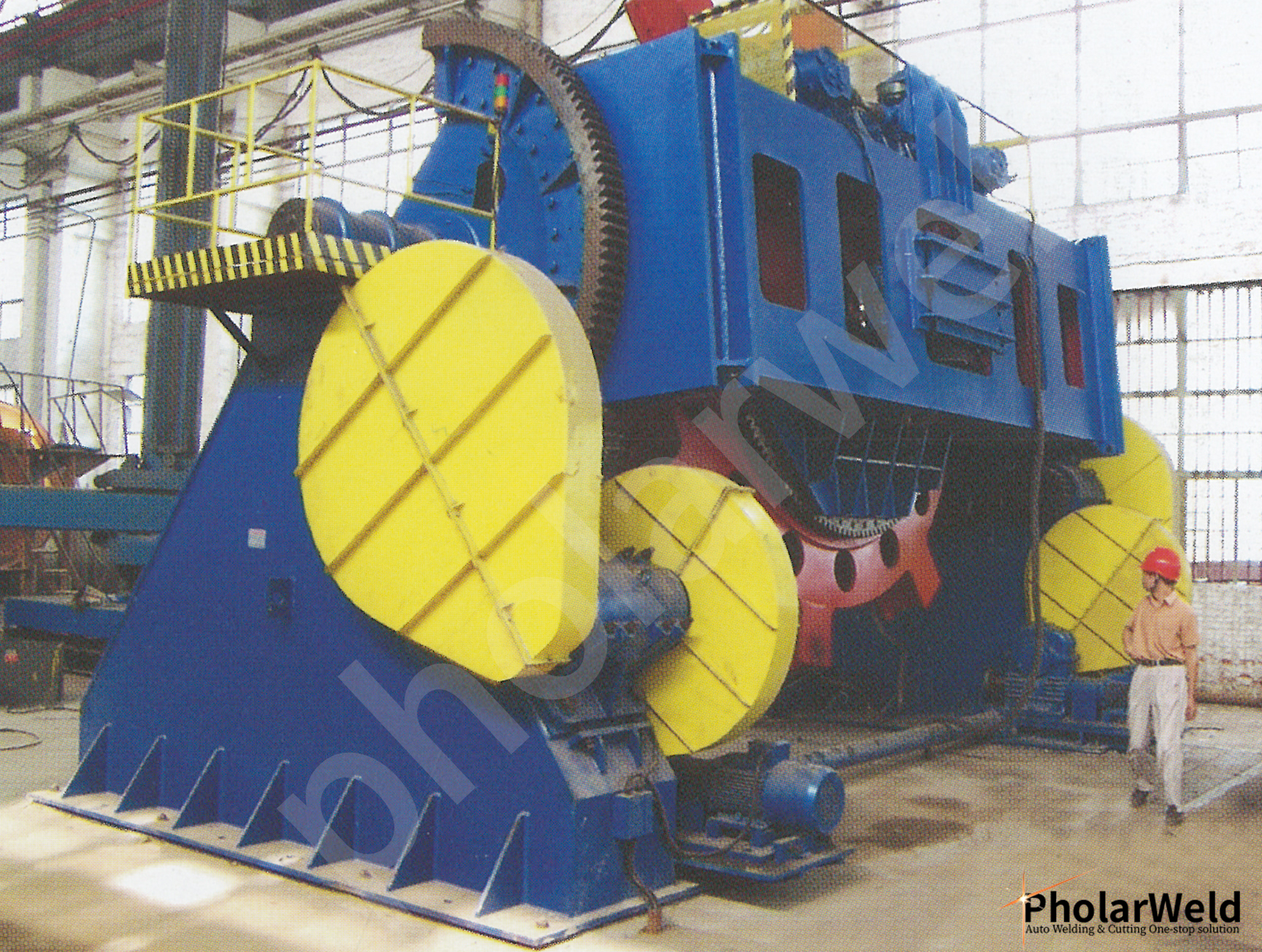
What to Consider When Choosing a Positioner for Robotic Welding Stations?
When picking a positioner, you need to think about a few key things. First, consider the size and weight of the parts you will be welding. If you are working with large, heavy pieces, you need a strong positioner that can hold them safely. For smaller parts, a lighter positioner might work just fine. Next, think about the type of welding you will be doing. Different welding methods, like MIG, TIG, or stick welding, may need different kinds of positioners. For example, TIG welding often works best with a positioner that has more precise control.
Another important point is the flexibility of the positioner. Some positioners can rotate and tilt, which helps reach every angle of the part you are welding. This is great for complex shapes. You also want to check how easy the positioner is to use. It should be simple to set up and adjust. A complicated positioner can slow down the welding process and create frustration.
Don't forget about the cost. While it's tempting to go for the cheapest option, think about the long-term benefits. A more expensive, high-quality positioner might save you money in repairs and improve the quality of your work. Finally, consider the brand and the warranty. Brands like PholarWeld are known for their quality and support. A good warranty means you can get help if something goes wrong. Overall, take your time to compare different options and find the best fit for your welding needs.
Where to Find High-Quality Positioners for Robotic Welding Applications?
Finding high-quality positioners can sometimes feel overwhelming, but it doesn't have to be. One of the best places to look is online. Many companies, including PholarWeld, have websites where they showcase their products. You can browse different types of positioners, read descriptions, and see pictures. Often, there are reviews from other customers too. This can help you understand how well a positioner works in real-life situations.
Another good place to search is through industrial equipment suppliers. These suppliers often have showrooms where you can see the positioners up close. You might even be able to try them out or ask questions to knowledgeable staff. Trade shows are another great option. At these events, many manufacturers display their latest products. You can talk to company representatives, see demos, and sometimes even get special discounts.
Don't forget to check out social media and online forums. Many users share their experiences and recommendations there. You can find helpful advice and tips on which positioners work best for different types of welding. Lastly, consider reaching out to PholarWeld directly. We have a team of experts who can help guide you in selecting the right positioner for your needs. Whether you are a beginner or have years of experience, we are here to help you find the best solution for your robotic welding station.
Common Usage Issues with Robotic Welding Positioners and How to Avoid Them
When using robotic welding positioners, there can be some common problems that users face. One major issue is improper alignment. If the workpiece is not positioned correctly, the welder may not make good, strong welds. This can lead to weak joints that break easily. To avoid this problem, it is important to carefully set up the positioner before starting. Make sure everything is straight and in the right spot. Another issue can be the wrong speed settings. If the positioner moves too fast or too slow, the welding process may not work well. To prevent this, always check the speed settings based on the material type and thickness.
Additionally, users sometimes forget to maintain their positioners. If the machines are not cleaned and checked regularly, they can break down. Dust and dirt can get into the gears and motors, causing them to work poorly. To keep the positioner in good shape, make a cleaning schedule. After every few uses, wipe down the machine and check for any loose parts. A proper maintenance plan can help the positioner last longer and work better.
Some users might also choose the wrong size positioner for their project. If the positioner is too small, it won't hold the workpiece securely. If it's too big, it might take up too much space or not provide the right support. To avoid this, first measure your workpiece. Then, choose a positioner that fits those measurements. PholarWeld offers various sizes of positioners, so it's important to pick the right one for your needs. By paying attention to these common issues and following these tips, you can use robotic welding positioners more effectively.
Where to Source Wholesale Positioners for Robotic Welding Stations?
The choice of the best location to acquire wholesale positioners for robotic welding stations is very crucial. There are various places from which one can source the positioners, and identifying such places can help you save time and costs. One of the ideal places is through the Internet. Websites dealing with industrial products tend to have plenty of positioners at reasonable prices due to bulk sales. While searching through websites on the Internet, ensure that you compare prices from various sources.
Another option is to check local suppliers. Many areas have companies that focus on selling welding equipment. Visiting a local supplier can help you see the products in person before making a decision. You can ask questions and get advice from experts who understand your needs. PholarWeld has a strong network of local distributors that can help you find the right positioner for your welding station.
Attending trade shows is another excellent way to source positioners. Trade shows often feature many vendors showcasing their latest products. This is a great opportunity to see different types of positioners and talk to manufacturers directly. You can learn about the features of each positioner and find out which ones are best for your projects. Plus, trade shows often have special discounts for attendees.
Finally, consider joining online forums or groups focused on welding. Members often share their experiences and recommendations for where to buy positioners. They might know of special deals or reliable sources that you wouldn't find on your own. By exploring these options, you can find the best wholesale positioners for your robotic welding stations, ensuring you get high-quality equipment at a great price.
How to Troubleshoot Common Problems with Robotic Welding Positioners?
Troubleshooting problems with robotic welding positioners can feel challenging, but it doesn't have to be. The first step is to identify what the problem is. If the positioner is not moving correctly, check the power source. Make sure it is plugged in and that there are no blown fuses. Sometimes, the issue can be as simple as a loose wire or connection. If everything seems fine but the positioner still isn't working, consult the user manual. It often contains helpful troubleshooting tips specific to the model you are using.
Another common issue is an unusual noise from the positioner. If you hear grinding or clanking sounds, this could mean that parts are worn out or damaged. Turn off the machine immediately and inspect it. Check for any broken pieces or parts that need lubrication. Regular maintenance can prevent these problems, but if they happen, replacing the damaged parts is crucial. PholarWeld can provide replacement parts and guidance on how to fix specific issues.
Sometimes, the positioner may not hold the workpiece securely. If this happens, check the clamps or fixtures. They might be loose or worn out. Tightening or replacing these parts can help the positioner grip the workpiece better. Always test the grip before starting a smart welding job to ensure safety and quality.
Lastly, if you are experiencing issues with the weld quality, it could be due to the positioner's speed or angle. Review your settings and adjust them as needed. Sometimes, it may take a few tries to find the perfect setup. Don't hesitate to reach out to PholarWeld for technical support or advice. By following these troubleshooting tips, you can solve common problems with robotic welding positioners and keep your welding projects running smoothly.
Table of Contents
- What to Consider When Choosing a Positioner for Robotic Welding Stations?
- Where to Find High-Quality Positioners for Robotic Welding Applications?
- Common Usage Issues with Robotic Welding Positioners and How to Avoid Them
- Where to Source Wholesale Positioners for Robotic Welding Stations?
- How to Troubleshoot Common Problems with Robotic Welding Positioners?