
 EN
EN
 EN
EN AR
AR BG
BG HR
HR CS
CS NL
NL FR
FR DE
DE EL
EL IT
IT JA
JA KO
KO PL
PL PT
PT RO
RO RU
RU ES
ES SV
SV IW
IW ID
ID VI
VI HU
HU TH
TH TR
TR FA
FA MS
MS

Welding is one of the critical skills that are applied in several industries. Welding is an essential procedure for joining metals to create strong objects. At PholarWeld, we realize that our welding approach plays a great role in determining the quality of output we will have. There are several critical considerations to be considered when discussing plasma welding processes. These considerations are parameters which include temperature, welding rate, and filler metal. All these parameters play a significant role in determining the outcome of welding process.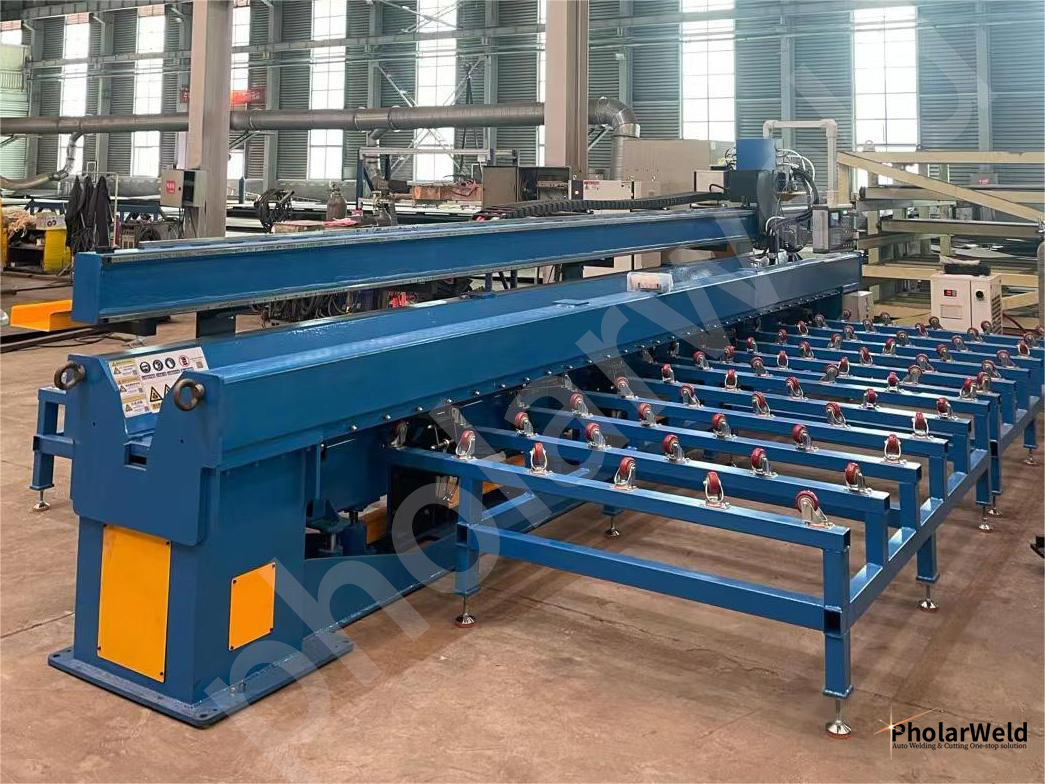
What are the Key Welding Parameters that Impact Efficiency?
When welding, one of the most important things to consider is the amount of heat applied. Too much heat can melt the parts too much, causing weak spots. Too little heat can mean the metals don't join well, creating gaps. The speed at which we weld is also important. If we move too fast, the weld might not be strong. If we go too slow, it can cause overheating. Using the right filler material is key, too. Different metals need different fillers to bond well. For instance, aluminum requires a different filler than steel. The angle of the welding torch matters as well. A good angle helps to control the heat and get a good weld. These details might seem small, but they really affect how fast we can work and how strong the final product will be. Efficiency in welding means getting the job done quickly while still making sure everything is safe and strong. If we can weld efficiently, we can save time and reduce costs, making our work at PholarWeld better for everyone involved.
How Do Welding Variables Affect the Durability of Wholesale Products?
Durability is the ability of a product to last a long time without breaking or wearing out. At PholarWeld, we pay a lot of attention to how welding variables can change this. For instance, if the heat is set too high during welding, it can cause the metal to become brittle over time. This means that even a small bump could break the product. On the other hand, if we use the right amount of heat and the right speed, the metal can be very strong and able to handle pressure or weight. This is especially important for products that will be used in tough environments, like construction or heavy machinery. The type of filler material we choose also plays a big role in durability. If the filler is not suitable for the metals being welded, it can lead to cracks. We want our products to be reliable, so we carefully match the materials. The design of the weld itself is crucial too. A strong, well-placed weld can help distribute stress evenly, making the product last longer. Every little choice we make during welding can lead to a big difference in how long our products last. At PholarWeld, we know that strong products mean happy customers, and we are committed to making sure our welds are done right.
How to Troubleshoot Common Welding Parameter Problems Effectively?
Welding is a process where two pieces of metal are joined together using heat. When we weld, we have to pay attention to certain settings, called welding parameters, to make sure everything goes well. Sometimes, things don't turn out as expected, and that's when troubleshooting comes in. If you notice problems like cracks or weak joints, it's essential to check the welding parameters. First, look at the voltage. If it's too high, it can create a lot of heat, which might burn through the metal. If it's too low, the weld might not stick properly. Next, check the amperage, which is the amount of electric current. If the amperage is too high, it can cause too much heat and lead to problems, while too low can result in a weak weld.
Another important factor is the travel speed, which is how fast you move the welding torch. If you go too fast, you might not give the metal enough time to heat up and bond. If you go too slow, it can lead to overheating and cause defects. Make sure to also check the type of filler material used. Using the wrong filler can lead to weak joints. Also, keep an eye on the shielding gas. If the gas flow is too low, it can let air into the weld, causing defects. If the flow is too high, it can blow away the molten metal, leading to poor quality. Lastly, always clean the metal surfaces before welding to remove any rust or dirt. By carefully adjusting these parameters, you can fix many common welding problems and improve the quality of your work at PholarWeld.
What Factors Should Wholesale Buyers Consider in Welding Quality Assurance?
When buying welded products in bulk, wholesale buyers must consider several important factors to ensure they get quality items. First, they should look at the welding process used. Different techniques, like MIG or TIG welding, have their own strengths and weaknesses. For example, MIG welding is faster but might not be as strong as TIG welding. Buyers should ask the supplier about the welding method and why they chose it for their products.
Next, it's vital to check the experience of the welding team. Experienced welders know how to adjust parameters and avoid mistakes. They can also handle tricky jobs better than someone just starting out. Additionally, the quality of the materials used is crucial. High-quality metals and fillers lead to better welds. Buyers should ask about the types of materials being used and if they meet industry standards.
Another factor to consider is the inspection process. Good suppliers will have a system to check the quality of their welds. This might include visual inspections and tests to ensure strength and durability. Buyers should inquire about these steps to ensure they are getting reliable products. Finally, communication is key. Buyers should feel comfortable asking questions and discussing their needs with the supplier. Good communication helps to avoid misunderstandings and ensures that the final product meets their expectations. At PholarWeld, we prioritize quality and are always ready to answer any questions to ensure our clients are satisfied with their purchases.
How Do Welding Parameters Affect Cost Efficiency in Bulk Production?
Welding parameters can have a big impact on how much it costs to produce items in bulk. When the right settings are used, it can save time and money. For example, if the voltage and amperage are set correctly, the welding process can go smoothly. This means fewer mistakes and less wasted material. If welders have to fix problems or rework parts, it takes extra time and money. By optimizing welding parameters, companies can minimize these issues and keep costs low.
Another factor is the speed of production. If the travel speed is set correctly, welders can work quickly without sacrificing quality. Faster production means that more items can be made in less time, which helps reduce labor costs. However, if welders rush and make mistakes, it can lead to expensive repairs or rework. It's important to find a balance between speed and quality to keep production costs down.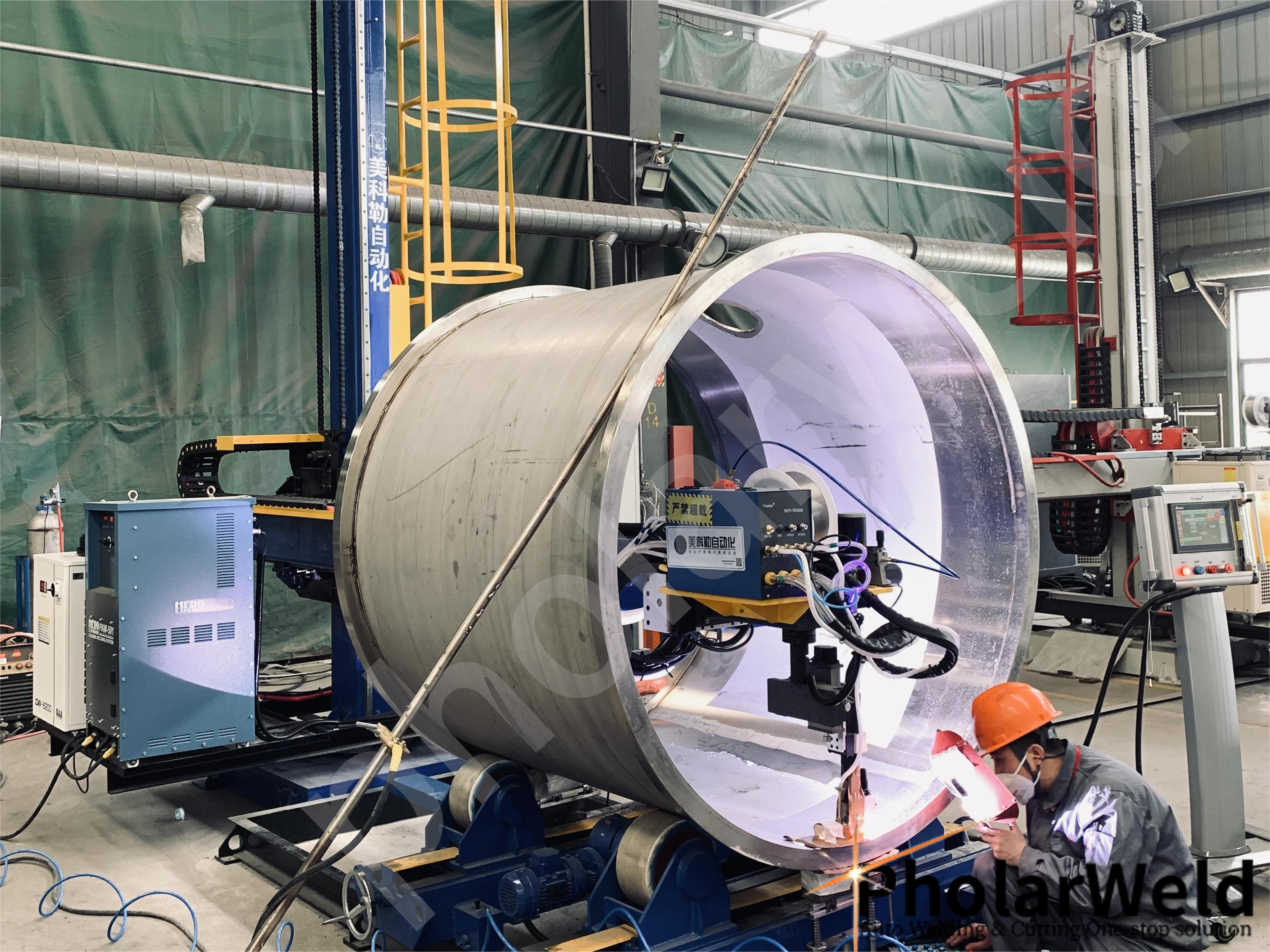
Using the right filler material also plays a role in cost efficiency. If a company uses high-quality filler, it can lead to stronger welds that last longer. This reduces the need for repairs or replacements, saving money over time. Additionally, the choice of shielding gas can affect costs. Some gases are more expensive than others, but they might produce better-quality welds.
Wholesale buyers should also consider the training of the welding team. Well-trained welders can work more efficiently and make fewer mistakes. This can lead to better cost efficiency in bulk production. At PholarWeld, we understand the importance of smart welding parameters in keeping costs down while ensuring high-quality products. By focusing on the right settings, we help our clients save money and achieve great results.
Table of Contents
- What are the Key Welding Parameters that Impact Efficiency?
- How Do Welding Variables Affect the Durability of Wholesale Products?
- How to Troubleshoot Common Welding Parameter Problems Effectively?
- What Factors Should Wholesale Buyers Consider in Welding Quality Assurance?
- How Do Welding Parameters Affect Cost Efficiency in Bulk Production?