
 EN
EN
 EN
EN AR
AR BG
BG HR
HR CS
CS NL
NL FR
FR DE
DE EL
EL IT
IT JA
JA KO
KO PL
PL PT
PT RO
RO RU
RU ES
ES SV
SV IW
IW ID
ID VI
VI HU
HU TH
TH TR
TR FA
FA MS
MS

A welding manipulator is an automated machine that aids in joining metal components. It helps make the entire welding manipulator process much more convenient. At PholarWeld, we understand the importance of selecting appropriate materials and equipment to be used in different tasks. Choosing the appropriate welding manipulator saves time, minimizes errors, and makes a better product. This article will discuss the best materials to use in welding manipulators in industries.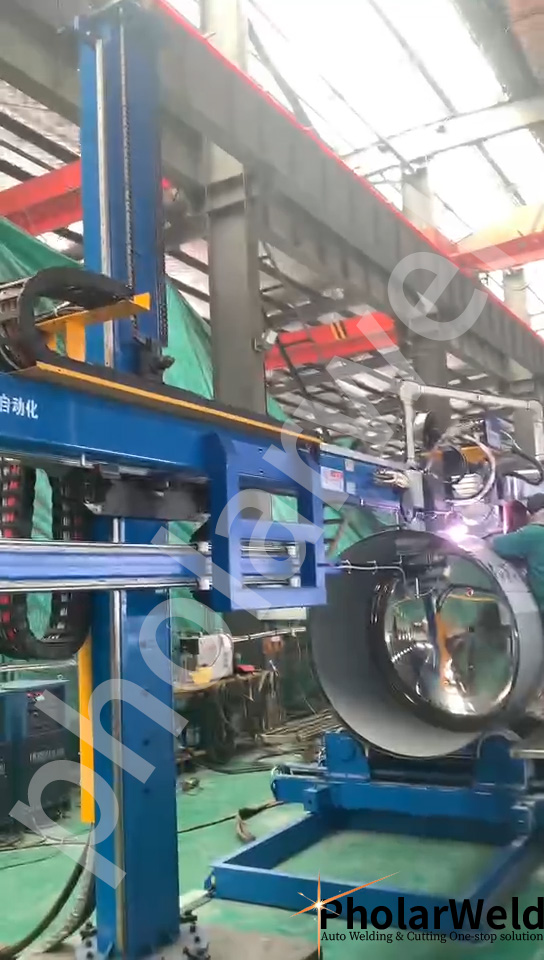
When it comes to welding, not all materials are the same.
Some are easier to weld than others. The best materials for welding manipulators include steel, aluminum, and stainless steel. Steel is very strong and can handle heavy loads, making it a popular choice. It is often used in construction and automotive industries. Aluminum is lighter and easier to work with, which is why it's common in making airplane parts. Stainless steel is rust-resistant, perfect for food and medical equipment. Each of these materials has its own benefits. For instance, if you need something lightweight, aluminum is the way to go. On the other hand, if strength is most important, steel is your best bet. It's also vital to know that some materials need different welding techniques. For example, aluminum often requires TIG welding, while steel can be welded using MIG or stick methods. Understanding these differences helps you create better products faster. Choosing the right material for your welding manipulator can also depend on the environment. For example, if you are working in a place with a lot of moisture, stainless steel is a smart choice because of its resistance to rust. This knowledge is important when you are in industries like shipbuilding or food processing, where cleanliness and durability are key.
Choosing the right welding manipulator for your material needs is very important. First, you need to think about the size and weight of the materials you will be working with. A good manipulator should be able to handle the weight of your materials without any problems. If you are working with heavy steel beams, you need a robust machine that can lift and move them safely. On the other hand, if you are working with lighter aluminum pieces, a smaller manipulator may be just fine. Next, consider the type of welding you will be doing. Different welding techniques require different manipulators. For example, if you are doing a lot of vertical welding, it's important to choose a manipulator that can move up and down easily. This flexibility will help you work faster and more efficiently. Additionally, you should think about the space where you will use the manipulator. If you have a small workshop, a compact manipulator will fit better and allow you to work without feeling crowded. Lastly, don't forget about budget. At PholarWeld, we strive to offer quality options for every budget. It's possible to find a manipulator that meets your needs and won't break the bank. All of these factors together will help you make the best choice for your welding projects.
Welding manipulators are special machines that help welders do their job better. However, when using welding manipulators with different materials, there can be some common issues. One problem is the way different materials react to heat. For example, metals like aluminum and steel behave very differently when heated. Aluminum can melt quickly, while steel takes longer to heat up. This can lead to mistakes if the welder is not careful. Another issue is that some materials may need special welding techniques. For instance, stainless steel requires a different approach than mild steel. If the wrong technique is used, it can cause weak welds or even make the material break. Additionally, some materials are harder to weld because they can warp or change shape when heated. This means that the welder must adjust the settings on the manipulator to ensure the welding is done correctly. If the manipulator is not set up right, it can lead to poor-quality welds. Finally, the cleanliness of the material is also important. If there is dirt or oil on the metal, the weld may not stick properly. This is why it's crucial to clean the materials before welding. At PholarWeld, we understand these challenges and provide solutions to help welders overcome them. Our manipulators are designed to work efficiently with a variety of materials, making the welding process easier and more effective.
Using welding manipulators has many advantages for different applications.
First, they help ensure that the welds are consistent and strong. This is important in industries like construction and manufacturing, where safety is a top priority. When welds are strong, it means that the structures built will be safe and last longer. Secondly, welding manipulators can save time. They allow welders to work faster and more accurately, which means projects can be completed sooner. This is especially helpful in busy factories where time is money. Additionally, manipulators reduce the physical strain on welders. Instead of holding heavy parts in place, the manipulator can do it for them. This means welders can work longer without getting tired or hurt. Another advantage is that welding manipulators can be used in different positions and angles. This flexibility makes it easier to reach tough spots and weld in hard-to-reach areas. Moreover, using manipulators can improve the quality of the welds. When the machine holds the material steady, it helps the welder focus better on their work. At PholarWeld, we focus on creating industrial welding machine manipulators that help welders achieve the best results in all kinds of situations, making them a valuable tool in any workshop.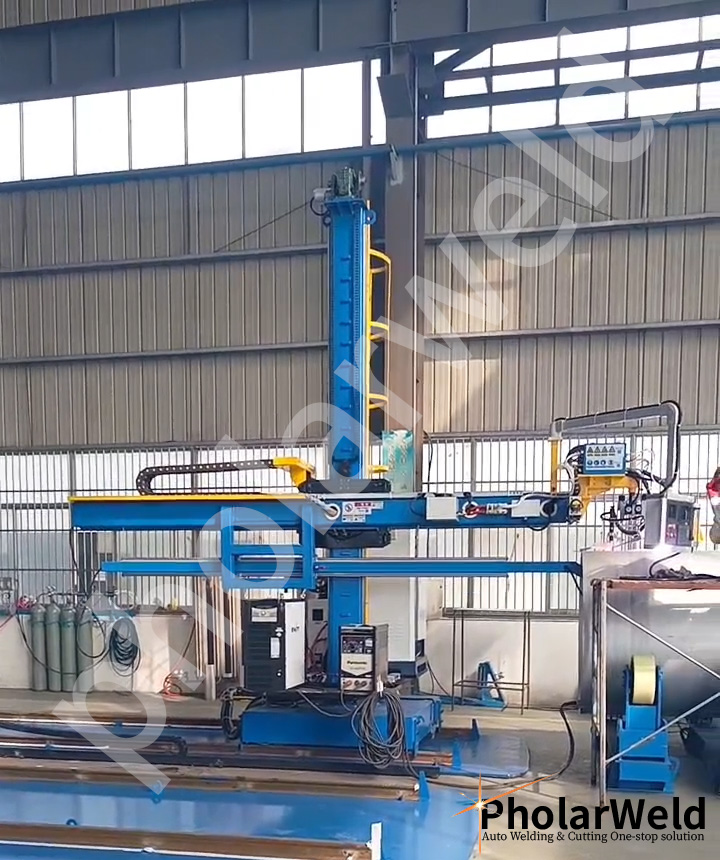
To get the best results from your welding process, it's important to choose the right manipulator. First, think about the type of materials you will be working with. Different manipulators are designed for different materials, so make sure to select one that matches your needs. For example, if you are welding thick steel, you will need a robust manipulator that can handle heavy loads. On the other hand, if you are working with lighter materials, a smaller manipulator might be more suitable. Next, consider the size and shape of the parts you will be welding. Some manipulators are better for large pieces, while others work well with smaller items. Understanding your project will help you pick the right equipment. Additionally, make sure to adjust the settings on your manipulator according to the materials you are using. This can include changing the speed, the angle, or the height. Proper adjustments can lead to better-quality welds. It's also helpful to keep your workspace organized and clean. A tidy area makes it easier to work and reduces the chance of mistakes. Lastly, always take the time to maintain your manipulator. Regular checks and cleaning can help it work well for a long time. At PholarWeld, we believe that the right manipulator can make all the difference in your welding projects. By following these tips, you can optimize your welding process and achieve great results every time.